
Chandani Chowk, Bavdhan, Pune: Facts, History & Connectivity
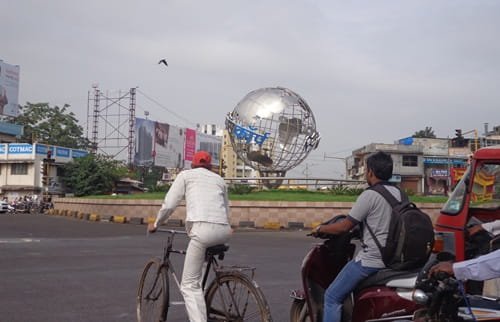
Chandani Chowk is one of the most prominent, strategically important, and rapidly developing intersections in Pune, Maharashtra. Located at the junction of Bavdhan, Kothrud, and the Mumbai–Bengaluru Highway (NH-48), this chowk serves as a major gateway connecting Pune city with Mumbai and the western hill regions. Known for its complex traffic flow and large-scale infrastructure upgrades, Chandani Chowk is one of the busiest junctions in Pune’s western corridor.
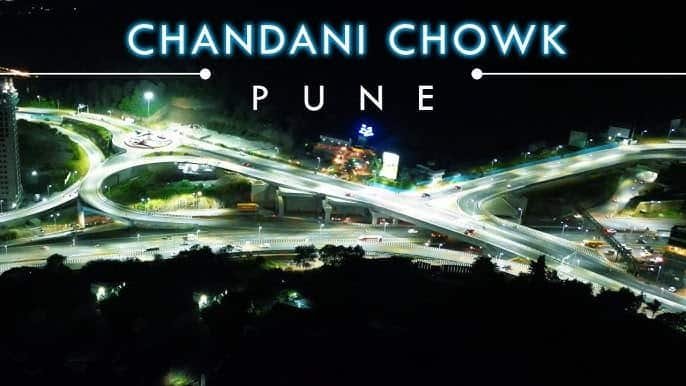
In 2026, Chandani Chowk stands as a transformed urban node following the completion of its multi-level flyover and junction redevelopment project. With improved connectivity, smoother traffic movement, and growing residential and commercial activity in Bavdhan and surrounding areas, the chowk is not just a traffic intersection but a key entry point shaping Pune’s expansion toward the west.
Chandani Chowk Pune Quick Details
| Category | Details |
| Location | Chandani Chowk, Bavdhan, Pune, Maharashtra – 411021 |
| Also Known As | Chandani Chowk Junction; Bavdhan Chowk |
| Nearest City | Pune City Centre (~8 km) |
| Highway | NH-48 (Mumbai–Bengaluru Highway) |
| Key Roads | Paud Road, NDA Road, Bavdhan Road, NH-48 |
| Nearest Railway Stn | Pune Junction (~10 km) |
| Nearest Metro | Vanaz Metro Station (~4 km) |
| Nearest Airport | Pune International Airport (~18 km) |
| Bus Connectivity | PMPML buses, autos, cabs |
| Iconic Landmark | Chandani Chowk Flyover Interchange |
| Importance | Gateway, highway & residential hub |
| Nearby Areas | Bavdhan, Kothrud, NDA, Warje |
| Pin Code | 411021 |
| Admin Body | Pune Municipal Corporation (PMC) |
| Development Status | Rapid urban expansion |
| Redevelopment Status | Multi-level flyover completed; traffic system upgraded |
1. Location & Identity of Chandani Chowk
Chandani Chowk is located in Bavdhan, Pune, at a crucial point where multiple major roads meet, including NH-48, Paud Road, and NDA Road. This makes it one of the most important junctions for traffic entering and exiting Pune from the Mumbai side.
Pune’s western corridor has seen rapid development in recent years, and Chandani Chowk sits at the center of this transformation. It connects established areas like Kothrud with emerging residential zones in Bavdhan and beyond.
The identity of Chandani Chowk is shaped by:
- Its position as a gateway to Pune from Mumbai
- Its location on a major national highway
- Its role in connecting multiple residential and institutional zones
It is often described as:
👉 The western entry gate of Pune
👉 A major highway interchange of the city
The area is surrounded by:
- Residential developments in Bavdhan and Kothrud
- Educational institutions and NDA area nearby
- Commercial establishments and service centers
Administered by: Pune Municipal Corporation (PMC), with major infrastructure support from national highway authorities.
2. Connectivity & Transport Infrastructure
Chandani Chowk is one of the most critical transport junctions in Pune.
1. Road Connectivity
NH-48 (Mumbai–Bengaluru Highway):
A major national highway connecting Pune to Mumbai and southern India.
Paud Road:
Connects the chowk to Kothrud and central Pune.
NDA Road:
Leads toward National Defence Academy and surrounding areas.
Bavdhan Road:
Provides access to residential zones and local markets.
2. Rail & Metro Connectivity
Pune Railway Station:
Located approximately 10 km away.
Vanaz Metro Station:
Around 4 km from the chowk, part of Pune Metro’s operational corridor.
3. Public Transport & Movement
- PMPML buses operate frequently
- Autos and cabs are widely available
- Heavy use of private vehicles
The chowk experiences very heavy traffic due to:
👉 Highway vehicles entering Pune
👉 Office commuters
👉 Residents of Bavdhan and Kothrud
3. Historical Background & Evolution of Chandani Chowk
Chandani Chowk’s importance is deeply connected to Pune’s expansion toward its western outskirts and the evolution of highway infrastructure in the region.
Early Phase – Before Urban Expansion
Originally, the Bavdhan and Chandani Chowk area was a quiet, semi-rural region surrounded by hills and agricultural land. It lay outside the core city of Pune, which was concentrated in areas like Shivajinagar and the Peth regions.
The roads passing through this region were primarily used for:
- Local village connectivity
- Access to NDA and nearby institutions
- Limited highway movement
Development with Highway Growth
With the development of the Mumbai–Bengaluru Highway (NH-48), Chandani Chowk began to gain importance as a connecting point between Pune and Mumbai.
- Traffic increased significantly
- The junction became a meeting point of multiple major roads
- It started handling both city and intercity traffic
Rapid Urbanization Phase
From the late 1990s and early 2000s:
- Bavdhan and Kothrud saw major residential development
- Educational institutions and IT connectivity boosted growth
- Chandani Chowk became a high-traffic urban junction
However, due to increasing traffic, the chowk became known for heavy congestion and bottlenecks for many years.
Modern Transformation – Flyover Project
The most significant transformation came with the multi-level Chandani Chowk flyover and interchange project, completed in the 2020s.
- Designed to handle multiple traffic directions
- Reduced congestion significantly
- Improved connectivity between highway and city roads
This project marked Chandani Chowk’s transition into a modern, high-capacity urban interchange.
Strategic Identity Today
Chandani Chowk represents:
- Pune’s expansion toward the western corridor
- A shift from rural outskirts to urban hub
- A key gateway connecting city and highway
4. Commercial & Market Activity
Chandani Chowk is surrounded by growing commercial activity.
Key Commercial Zones
- Bavdhan market and retail areas
- Kothrud commercial zones
- Highway-side establishments
What You’ll Find
- Supermarkets and retail shops
- Restaurants and cafes
- Service centers and offices
Food & Lifestyle
The area offers diverse options:
- Street food and quick bites
- Cafes and restaurants
- Multi-cuisine dining
The chowk attracts:
👉 Residents and families
👉 Office commuters
👉 Travelers
5. Real Estate & Commercial Importance (2026)
Chandani Chowk is part of a high-growth real estate zone in Pune.
Current Trends
- Rising residential demand in Bavdhan
- Premium housing projects increasing
- Growing commercial development
Investment Perspective
- Gateway location ensures long-term value
- Infrastructure upgrades boost demand
- Strong connectivity supports growth
It is ideal for:
👉 Homebuyers and families
👉 Real estate investors
👉 Commercial businesses
6. Social Infrastructure & Daily Life
The area offers strong infrastructure for modern living.
1. Education
- Schools and colleges nearby
- Proximity to NDA and institutions
2. Healthcare
- Hospitals and clinics within reach
- Medical facilities easily accessible
3. Shopping & Lifestyle
- Markets and retail stores
- Restaurants and cafes
- Easy access to daily essentials
7. Modern Redevelopment & Urban Changes
Chandani Chowk has undergone one of Pune’s biggest infrastructure upgrades.
Key Improvements
- Multi-level flyover interchange
- Improved traffic management
- Better road connectivity
Impact
- Reduced congestion significantly
- Faster travel across city and highway
- Increased property demand
This development balances:
👉 Old traffic bottleneck + modern infrastructure solution
Conclusion
Chandani Chowk in Bavdhan, Pune is far more than just a traffic junction — it is the western gateway of the city and a symbol of its rapid urban transformation.
In 2026, the chowk stands as a modern, high-capacity interchange supported by strong connectivity, residential growth, and major infrastructure upgrades. Its strategic location makes it one of the most important intersections in Pune.
Whether you are commuting, investing, or entering Pune from Mumbai, Chandani Chowk represents the city’s growth, connectivity, and future potential.