Burari Chowk, Delhi: Facts, History & Connectivity
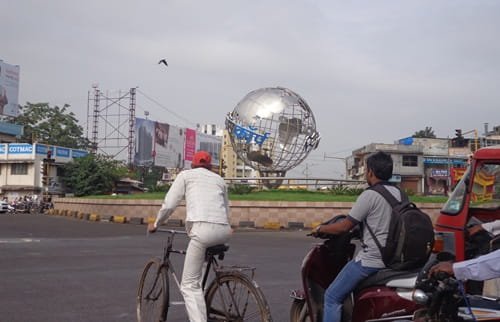
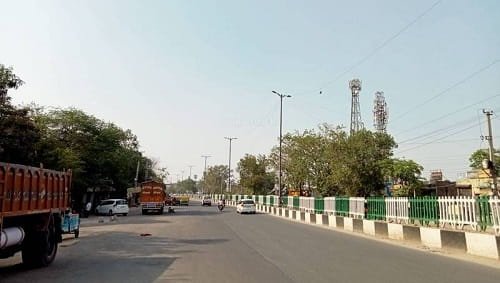
Burari Chowk is one of the most prominent, commercially active, and community-rooted intersections in Burari, North Delhi, India. Located at the heart of one of North Delhi’s most rapidly growing and densely populated localities — nestled along the Outer Ring Road corridor near the banks of the Yamuna River — this well-known chowk serves as the principal civic gathering point, the main commercial junction, and the daily meeting place for the hundreds of thousands of residents who call Burari home. The chowk serves as the nerve center of Burari’s local market, transit, and community life, making it the single most recognized reference point in this fast-developing North Delhi town.
In 2026, Burari Chowk continues to thrive as the commercial and civic heart of one of Delhi’s most rapidly expanding urban localities. Burari — historically a cluster of villages on the northern fringes of Delhi near the Yamuna — has transformed over the past two decades into a dense, self-sufficient urban township with a population exceeding 2 lakh residents, a growing infrastructure base, improving metro connectivity through the Delhi Metro Pink Line, and a vibrant local economy. From the Gol Market and local bazaars to the Yamuna Biodiversity Park and Bhalswa Golf Course nearby, Burari Chowk stands as the daily anchor for a community that is writing a new chapter in Delhi’s urban expansion story.
Burari Chowk Delhi Quick Details
| Category | Details |
| Location | Burari Chowk, Burari, North Delhi – 110084 |
| Also Known As | Burari Main Chowk; Burari Square |
| Nearest City | New Delhi (~18 km), Ghaziabad (~15 km via NH-44) |
| Highway | Connected via NH-44 (GT Karnal Road) and Outer Ring Road |
| Key Roads | Outer Ring Road, NH-44 (GT Karnal Road), Bund Road, Sant Nagar Marg, Burari Road |
| Nearest Railway Stn | Delhi Sarai Rohilla Railway Station (~12 km) |
| Nearest Metro | Majlis Park Metro Station – Pink Line (~6 km) / Jahangirpuri – Yellow Line (~7 km) |
| Nearest Airport | Indira Gandhi International Airport (~29 km) |
| Bus Connectivity | DTC buses, cluster buses, autos, e-rickshaws, app-based cabs |
| Iconic Landmark | Yamuna Biodiversity Park, Bhalswa Golf Course, Burari Hospital |
| Importance | Residential, commercial & community transit hub |
| Nearby Areas | Sant Nagar, Nathu Colony, Hardev Nagar, Kamal Pur, Jagatpur, Wazirabad |
| Pin Code | 110084 |
| Admin Body | North Delhi Municipal Corporation (North MCD) |
| Redevelopment Status | Delhi government infrastructure and civic upgrades (ongoing) |
1. Location & Identity of Burari Chowk
Burari Chowk is located in Burari — a town in North Delhi situated near the western bank of the Yamuna River, close to the Delhi–Uttar Pradesh border. The chowk sits along the Outer Ring Road and connecting roads including Sant Nagar Marg and Burari Road, making it the natural convergence point for the dense residential colonies and villages that together form the Burari constituency — one of Delhi’s largest Vidhan Sabha constituencies by population. Its position along the Outer Ring Road provides direct connectivity to all parts of Delhi’s northern zone, while NH-44 offers access northward toward Karnal and Panipat and southward into Delhi’s urban core.
Burari is a locality of remarkable growth and community character. What was once a collection of agricultural villages on Delhi’s northern fringe has become a densely populated urban township with a rich mix of original village residents, migrants from across North India, and the economically active population drawn by affordable housing close to Delhi’s employment centers. Burari Chowk sits at the center of this diverse community, serving as the place where the daily rhythms of Burari’s life play out most visibly.
The identity of Burari Chowk is shaped by:
- Its role as the principal commercial and transit junction of Burari — one of North Delhi’s most populous localities
- Its position on the Outer Ring Road and NH-44 corridor giving it strong connectivity to the broader Delhi road network
- The vibrant, multi-community character of Burari’s growing urban population
It is often described as:
The commercial heart and daily gathering point of Burari — North Delhi’s fastest-growing locality
A key junction on the Outer Ring Road serving Delhi’s large northern residential zone
The area is surrounded by:
- Dense residential colonies including Sant Nagar, Nathu Colony, Hardev Nagar, and Kamal Pur
- Local markets, schools, health centers, temples, and community spaces
- The Yamuna floodplain and Yamuna Biodiversity Park providing natural green space nearby
Administered by: North Delhi Municipal Corporation (North MCD), responsible for civic maintenance, road management, and urban development across the Burari zone.
2. Connectivity & Transport Infrastructure
Burari Chowk benefits from its position on the Outer Ring Road and NH-44 corridor — two of Delhi’s most important road arteries — giving it solid connectivity to the rest of the capital and improving metro access via the Pink Line.
1. Road Connectivity
Outer Ring Road:
One of Delhi’s most important ring road corridors, the Outer Ring Road passes through Burari connecting it to Wazirabad, Shalimar Bagh, Peeragarhi, and Nangloi on one side and to the Yamuna Bridge and Trans-Yamuna areas on the other. This road carries heavy daily commuter and goods traffic and is the primary route for Burari residents traveling to other parts of North and West Delhi.
NH-44 (GT Karnal Road):
India’s longest national highway passes close to Burari, providing direct high-speed connectivity northward toward Karnal, Panipat, Ambala, and the Punjab, and southward toward Mukarba Chowk, Azadpur, and Central Delhi. NH-44 is the primary intercity road artery for Delhi’s northern zone and places Burari Chowk within easy reach of major destinations.
Bund Road and Sant Nagar Marg:
These key local roads connect Burari Chowk to the internal colony network of Burari’s many residential blocks, providing last-mile road access for the dense population of the locality’s numerous colonies.
2. Metro & Rail Connectivity
Majlis Park Metro Station — Delhi Metro Pink Line:
Approximately 6 km from Burari Chowk, Majlis Park Station is the nearest Delhi Metro station, located on the Pink Line which connects Majlis Park to Shiv Vihar via Anand Vihar, IP Extension, and South Delhi. The Pink Line has significantly improved commuting options for Burari residents, allowing them to reach Central and South Delhi within 30–45 minutes. Auto-rickshaws and e-rickshaws provide last-mile connectivity between Burari Chowk and the metro station.
Jahangirpuri Metro Station — Delhi Metro Yellow Line:
Approximately 7 km from the chowk, Jahangirpuri Station on the Yellow Line provides connectivity to Central Delhi, Chandni Chowk, New Delhi Railway Station, and Gurugram, offering an important alternative metro option for Burari residents.
Indira Gandhi International Airport:
Located approximately 29 km away via the Outer Ring Road and Delhi road network, the airport is accessible within 45–60 minutes by road or by combining metro and road transport.
3. Public Transport & Movement
- DTC and cluster buses run extensive routes through Burari Chowk connecting it to Mukarba Chowk, Azadpur, Wazirabad, and other Delhi zones
- Auto-rickshaws and e-rickshaws are the dominant short-distance transport within Burari’s colony network
- App-based cabs (Ola, Uber, Rapido) are widely used for longer city-wide trips
- Walking is the most common mode for daily errands within the dense colony layout around the chowk
Ongoing Delhi government road and infrastructure investments in the Burari zone are expected to further improve connectivity and reduce the commute burden for the locality’s large population.
3. Historical Background & Cultural Significance
Burari Chowk and the Burari locality carry a distinct historical and cultural identity shaped by the area’s ancient village roots, its location along the Yamuna, and its remarkable transformation into a modern North Delhi urban township.
Burari’s Village & Urban History
Burari traces its origins to an ancient cluster of villages on the northern Yamuna floodplain — settlements that existed here for centuries before Delhi’s urban expansion began absorbing them in the late 20th century. The area’s agricultural and village character persisted well into the 1980s and 1990s, even as Delhi grew around it. The rapid urbanization that followed — driven by affordable land, proximity to Delhi’s employment centers, and improving road connectivity — brought waves of migrants from Uttar Pradesh, Uttarakhand, Bihar, Haryana, and other states who settled in Burari’s expanding colonies. This migration history has given Burari a richly diverse community character, blending the traditions of the original village residents with the cultures of the many communities that have made it home.
Yamuna Heritage & Natural Landmarks
Burari’s proximity to the Yamuna River gives it a natural heritage dimension that few North Delhi localities possess. The Yamuna Biodiversity Park — one of Delhi’s most significant ecological restoration projects — is located near Burari, preserving riparian ecosystems and providing green recreational space for the community. The ghats along the Yamuna near Burari are important sites for festivals such as Chhath Puja, which draws enormous crowds from the locality and surrounding areas every year for the ancient sun worship ritual.
Iconic Landmarks Nearby
- Yamuna Biodiversity Park — one of Delhi’s most important ecological conservation areas near Burari
- Bhalswa Golf Course — a public golf facility and green recreational space
- Burari Hospital — the locality’s principal government healthcare facility
- Pir Ghaib — a 14th-century Firoz Shah Tughlaq-era structure on Delhi’s Northern Ridge, accessible from the area
- Fountain of Oneness by Sant Nirankari Mission — a spiritual landmark of the Nirankari community near Burari
These landmarks reflect the rich mix of natural, historical, spiritual, and civic dimensions that characterize the broader Burari zone.
Cultural Character
Burari Chowk represents:
- A diverse North Indian community culture with strong traditions from UP, Uttarakhand, Bihar, and Haryana
- Festivals including Chhath Puja at the Yamuna ghats, Navratri, Diwali, Holi, and Eid celebrated with great community enthusiasm
- The resilient, hardworking spirit of a community that has built a self-sufficient township on the northern edge of the capital
4. Commercial & Market Activity
Burari Chowk and its surrounding area support a lively and growing local economy driven by the daily needs of one of North Delhi’s largest and most diverse residential populations.
Key Commercial Zones
- Burari Chowk Main Market — daily vegetables, groceries, household goods, and general merchandise
- Gol Market Burari — widely known for affordable grocery shopping and daily essentials
- Sant Nagar commercial strip — retail shops, mobile stores, and service businesses
- Outer Ring Road commercial corridor — showrooms, auto parts, and larger retail establishments
What You’ll Find
- Fresh vegetables, groceries, and daily household essentials at affordable prices
- Garments, footwear, and general merchandise catering to the area’s budget-conscious residents
- Mobile repair shops, hardware stores, and daily service businesses
- Street food stalls, dhabas, and affordable eateries serving the working community
The area attracts:
Local residents from Burari’s many colonies for daily shopping and services
Commuters passing through on the Outer Ring Road and NH-44 corridor
Workers from nearby industrial and commercial establishments
Street Food & Dining
The chowk and its surrounding lanes offer hearty North Indian street food reflecting the community’s diverse origins:
- Chole bhature, parathas, and aloo puri at popular local dhabas
- Chaat, golgappe, and tikki from street stalls serving evening crowds
- Sweets and snacks reflecting the UP and Uttarakhand traditions of the area’s large migrant population
The food culture around Burari Chowk is affordable, diverse, and deeply rooted in the North Indian culinary traditions of the communities that have made Burari their home.
5. Real Estate & Commercial Importance (2026)
Burari Chowk and the broader Burari locality represent one of North Delhi’s most active and consistently growing real estate markets, driven by affordability, improving infrastructure, and proximity to Delhi’s employment centers.
Current Trends
- Strong and growing demand for residential plots, builder floors, and affordable apartments in Burari
- Rising interest from first-time homebuyers seeking affordable Delhi addresses with improving metro access
- Growing commercial activity along the Outer Ring Road and NT-44 corridor driven by retail and logistics businesses
Investment Perspective
- Burari offers some of the most affordable residential property prices in Delhi — attracting budget buyers and investors
- Pink Line metro access within 6 km has significantly enhanced the area’s real estate appeal
- Burari’s rapidly growing population ensures strong and sustained rental demand
It is ideal for:
First-time homebuyers seeking affordable residential property in Delhi with metro access
Investors targeting North Delhi’s growing rental market driven by migrant worker demand
Small retail and service businesses catering to Burari’s large and expanding residential population
6. Social Infrastructure & Daily Life
Burari Chowk and the surrounding locality are supported by a developing network of civic and social infrastructure that is steadily improving to meet the needs of the area’s rapidly growing population.
1. Education
- Burari Public School, Rajdhan Public School, and several government schools serving the locality
- Swami Shraddhanand College — a well-regarded Delhi University college accessible from the area
- IIMS Paramedical Institute and other professional training institutions in the vicinity
2. Healthcare
- Burari Hospital — the locality’s principal government healthcare facility providing primary and secondary care
- Patel Hospital — known for eye care and dental services, a trusted local healthcare option
- Multiple clinics, dispensaries, and pharmacies serving the dense residential population
3. Shopping & Lifestyle
- Gol Market and Burari Main Market providing daily essentials within easy reach
- Yamuna Biodiversity Park and Bhalswa Golf Course offering green recreational spaces
- Shakti Sarovar Park and Burari Park for outdoor leisure and community gatherings
- Easy access to Central Delhi’s shopping and entertainment destinations via the Pink Line metro
7. Modern Redevelopment & Urban Changes
Burari and Burari Chowk have benefited from Delhi government civic upgrade programs, with road improvements, healthcare expansion, and metro connectivity investments improving the quality of life for the locality’s large population.
Key Improvements
- Delhi Metro Pink Line providing improved rapid transit access from the Burari zone to the rest of Delhi
- Road resurfacing and improvement works on key roads including Outer Ring Road approaches and Sant Nagar Marg
- Burari Hospital expansion and health infrastructure upgrades improving medical access
- Street lighting, drainage, and waste management improvements under civic upgrade programs
Impact
- Pink Line metro has dramatically improved daily commuting options for Burari’s working population
- Improved road conditions and civic amenities enhancing quality of life in the locality
- Growing real estate and commercial confidence driven by infrastructure improvements
This development has helped balance:
Burari’s organic village-to-urban township character + modern Delhi civic and metro infrastructure
Conclusion
Burari Chowk in North Delhi is far more than a road junction — it is the commercial and community soul of one of Delhi’s fastest-growing localities, a daily crossroads where the diverse stories, cultures, and aspirations of hundreds of thousands of North Delhi residents converge in one vibrant, energetic, and unmistakably human urban space.
In 2026, Burari Chowk stands as a reflection of Delhi’s extraordinary capacity for growth and reinvention. With the Pink Line metro improving connectivity, the Outer Ring Road and NH-44 providing highway access, the Yamuna Biodiversity Park preserving natural heritage nearby, Burari Hospital serving the community’s health needs, and affordable housing continuing to attract new residents, Burari Chowk remains the indispensable center of one of the capital’s most active and growing communities.
Whether you are a daily commuter navigating North Delhi’s roads, a resident shopping at the Gol Market, a family attending Chhath Puja at the Yamuna ghats, a first-time homebuyer exploring affordable Delhi property, or simply experiencing the authentic energy of a working-class North Delhi neighborhood, Burari Chowk offers an experience that truly reflects the hardworking, diverse, and community-proud spirit of Burari.