Mukarba Chowk is one of the most important, high-traffic, and strategically located intersections in North Delhi. Situated along the Outer Ring Road and close to the Grand Trunk Road (NH-44), this chowk serves as a major gateway connecting Delhi with northern states like Haryana, Punjab, and Himachal Pradesh. Over the years, it has developed into a critical transport node handling both city traffic and heavy intercity movement.
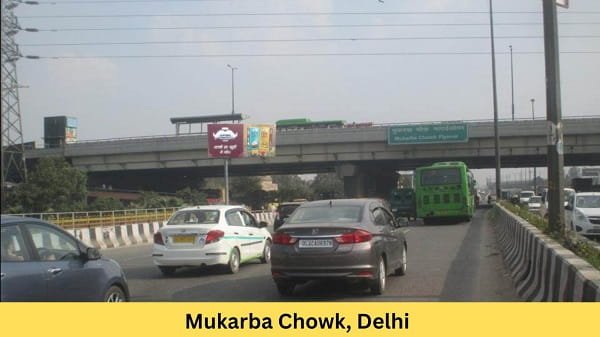
In 2026, Mukarba Chowk continues to play a vital role in Delhi’s urban transport system, supported by the Mukarba Chowk Flyover and its integration with major highway corridors. With constant vehicular flow, strong connectivity, and proximity to industrial and commercial zones, the chowk is not just a traffic intersection but a key logistical and transit hub in the capital city.
Mukarba Chowk Delhi Quick Details
| Category | Details |
| Location | Mukarba Chowk, North Delhi – 110033 |
| Also Known As | Mukarba Chowk Flyover Junction |
| Nearest City | Sonipat (~25 km) |
| Highway | NH-44 (Grand Trunk Road), Outer Ring Road |
| Key Roads | Outer Ring Road, GT Karnal Road, Mukarba Chowk Flyover |
| Nearest Railway Stn | Adarsh Nagar (~3 km) |
| Nearest Metro | Jahangirpuri Metro Station (~2 km) |
| Nearest Airport | Indira Gandhi International Airport (~30 km) |
| Bus Connectivity | DTC buses, interstate buses, autos |
| Iconic Landmark | Mukarba Chowk Flyover |
| Importance | Major highway & transport hub |
| Nearby Areas | Jahangirpuri, Azadpur, Bhalswa |
| Pin Code | 110033 |
| Admin Body | Municipal Corporation of Delhi (MCD) |
| Development Status | Fully developed transport zone |
| Redevelopment Status | Flyover upgrades & traffic improvements completed |
1. Location & Identity of Mukarba Chowk
Mukarba Chowk is located in North Delhi, at a crucial point where the Outer Ring Road intersects with the GT Karnal Road (NH-44). This positioning makes it one of the most strategic entry and exit points for Delhi, especially for traffic coming from northern India.
Delhi, being the national capital, has a highly complex transport network, and Mukarba Chowk serves as a key junction within this system. It connects major industrial areas, residential zones, and national highways, making it an essential part of daily movement in the city.
The identity of Mukarba Chowk is shaped by:
- Its role as a major highway interchange
- Its position as a northern gateway to Delhi
- Its importance in managing heavy intercity traffic
It is often described as:
- The northern entry gate of Delhi
- A major highway junction on NH-44
The area is surrounded by:
- Industrial and warehouse zones
- Residential areas like Jahangirpuri and Azadpur
- Transport and logistics hubs
Administered by: Municipal Corporation of Delhi (MCD) along with national highway authorities, responsible for road infrastructure and traffic management.
2. Connectivity & Transport Infrastructure
Mukarba Chowk is one of the most critical transport nodes in Delhi.
1. Road Connectivity
NH-44 (Grand Trunk Road):
One of India’s longest highways, connecting:
- Delhi to Punjab, Haryana, and Jammu & Kashmir
- Outer Ring Road: A major arterial road that connects different parts of Delhi.
- GT Karnal Road: Provides direct access to northern regions and industrial areas.
- Mukarba Chowk Flyover: A major infrastructure upgrade that helps manage heavy traffic and ensures smoother movement across the junction.
2. Rail & Metro Connectivity
- Jahangirpuri Metro Station: Located around 2 km away on the Yellow Line, offering connectivity to central Delhi and Gurgaon.
- Adarsh Nagar Railway Station: Approximately 3 km away, providing rail connectivity.
3. Public Transport & Movement
- DTC buses operate frequently across major routes
- Interstate buses pass through this corridor
- Autos, e-rickshaws, and cabs are easily available
The chowk experiences extremely heavy traffic due to:
- Interstate trucks and buses
- Daily commuters
- Industrial transport movement
3. Historical Background & Strategic Importance
Mukarba Chowk’s importance is closely linked to the development of Delhi’s highway network.
Historical Context
The GT Karnal Road, part of the historic Grand Trunk Road, has been one of the oldest and most significant trade routes in India, connecting regions across North India for centuries.
As Delhi expanded, Mukarba Chowk developed as a major junction linking this historic route with modern city roads, becoming a key transit point.
Evolution of the Junction
- Originally a simple road intersection
- Became a major traffic hub with urban expansion
- Upgraded with a flyover to handle increasing traffic
Strategic Importance
Mukarba Chowk represents:
- A connection between historic trade routes and modern highways
- A key logistical hub for goods movement
- A critical point in Delhi’s transport infrastructure
4. Commercial & Market Activity
Mukarba Chowk supports a strong logistics and commercial ecosystem.
Key Commercial Zones
- Azadpur Mandi (Asia’s largest fruit and vegetable market) nearby
- Industrial and warehouse areas
- Highway-side commercial establishments
What You’ll Find
- Transport offices and logistics hubs
- Food outlets and dhabas
- Service centers and repair shops
Food & Lifestyle
The area reflects typical highway and industrial food culture:
- North Indian meals at dhabas
- Tea stalls and quick-service food outlets
- Local eateries serving workers and travelers
The chowk attracts:
- Truck drivers and transport workers
- Daily commuters
- Business and logistics operators
5. Real Estate & Commercial Importance (2026)
Mukarba Chowk is part of a high-value transport and industrial zone.
Current Trends
- Strong demand for warehouse and logistics spaces
- Stable commercial property values
- Limited residential development
Investment Perspective
- Strategic highway location ensures high demand
- Proximity to major markets boosts value
- Ideal for logistics and transport businesses
It is ideal for:
- Warehouse and logistics investors
- Transport-related businesses
- Commercial property investors
6. Social Infrastructure & Daily Life
The surrounding area offers essential facilities for workers and residents.
1. Education
- Schools and institutions in nearby residential areas
- Access to colleges in North Delhi
2. Healthcare
- Clinics and hospitals within reach
- Medical facilities in nearby areas
3. Shopping & Lifestyle
- Local markets and shops
- Food outlets and daily essentials
- Access to larger markets like Azadpur
7. Modern Redevelopment & Urban Changes
Mukarba Chowk has seen major infrastructure upgrades in recent years.
Key Improvements
- Construction of Mukarba Chowk Flyover
- Improved traffic management systems
- Better road connectivity and signal systems
Impact
- Reduced congestion at the junction
- Faster interstate travel
- Increased efficiency in goods transportation
This development balances:
Historic highway importance + modern urban infrastructure
Conclusion
Mukarba Chowk in Delhi is far more than just a traffic junction — it is one of the most important gateways connecting the capital with northern India.
In 2026, the chowk stands as a powerful transport hub supported by major highways, flyover infrastructure, and constant traffic movement. Its strategic location and logistical importance make it a critical part of Delhi’s urban system.
Whether you are traveling across states, managing logistics, or navigating Delhi’s roads, Mukarba Chowk remains a key and indispensable junction in the city’s transport network.