

SWOT Analysis of BSE
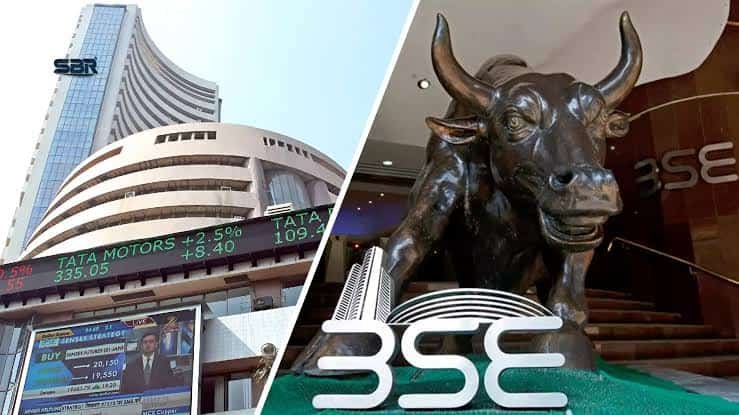
BSE Limited — formerly known as the Bombay Stock Exchange, established in 1875 as the Native Share and Stock Brokers’ Association making it Asia’s oldest stock exchange and the world’s tenth-oldest, headquartered in Mumbai’s Phiroze Jeejeebhoy Towers — is India’s most historically significant financial market infrastructure institution, operating India’s oldest equity exchange, the largest SME platform by listed companies, India’s most comprehensive currency and interest rate derivatives market, and the fastest securities settlement exchange in the world. Listed on NSE and generating annual revenues that increasingly reflect diversification beyond equity trading toward data services, listing fees, clearing, and financial product innovation, BSE has undergone a remarkable reinvention from a declining equity trading market share position relative to NSE toward a strategically distinct financial infrastructure institution with unique competitive positions in specific market segments.
Strengths
Asia’s Oldest Exchange — Heritage and Listing Prestige
BSE’s 150-year history creates an institutional heritage and listing prestige that its much younger competitor NSE cannot claim. Companies seeking to list their equity shares in India almost universally list on BSE — because being listed on Asia’s oldest stock exchange carries symbolic and practical significance including international investor recognition, index eligibility, and the historical continuity of BSE-listed share records. This listing tradition means BSE hosts approximately 5,500+ listed companies — the largest number of listed companies on any exchange in Asia — creating a depth of corporate coverage that generates listing fees, annual subscription revenues, and index licensing from a company ecosystem unmatched in the region.
SME Platform — India’s Largest by Listed Companies
BSE SME is India’s most active platform for small and medium enterprise initial public offerings — having facilitated listings for over 600 SME companies seeking capital market access below the threshold requirements of the main board. This SME ecosystem creates a unique financial inclusion narrative for capital markets, generates listing fee revenue from companies with limited NSE SME platform penetration, and provides a graduation pipeline — successful SME companies migrating to BSE’s main board — that sustains a multi-year relationship with growing companies from their earliest capital market engagement.
BSE StAR MF — India’s Largest Mutual Fund Distribution Platform
BSE StAR MF is India’s most widely used mutual fund transaction platform — processing millions of SIP registrations, redemptions, and switches annually for distributors and direct investors across the country. This platform’s scale — connecting AMCs, distributors, and investors through a single standardised digital interface — generates transaction fee revenue while creating strategic value as India’s mutual fund industry continues its remarkable growth trajectory. The platform’s first-mover advantage and its integration with BSE’s regulatory and settlement infrastructure creates network effects that competing platforms have not overcome.
Fastest Settlement Exchange in the World
BSE’s equity settlement speed — achieving T+0 instant settlement in a pilot programme before broader rollout — positions it at the global frontier of securities settlement technology. This settlement speed advantage creates genuine competitive differentiation for traders who benefit from faster capital recycling and reduced counterparty settlement risk.
Weaknesses
Equity Market Share Well Below NSE
BSE’s equity cash segment market share — approximately 8–12% versus NSE’s 88–92% — represents the most significant competitive disadvantage in its most visible business line. NSE’s dominance in equity cash and equity derivatives trading, accumulated through superior technology infrastructure investment in the 2000s and liquidity network effects that make traders prefer the more liquid exchange, creates a structural competitive gap that BSE has been unable to reverse despite sustained technology investment.
Derivatives Market Share Negligible
In equity derivatives — the highest-volume, highest-revenue segment of Indian capital markets — BSE’s market share is negligible. NSE’s Nifty 50 derivatives products have achieved global benchmark status while BSE’s Sensex derivatives have not attracted comparable trading volumes, despite the Sensex being India’s most globally recognised index. This derivatives gap creates a significant revenue pool that BSE cannot access.
Revenue Diversification Still Developing
BSE’s non-trading revenues — data licensing, listing fees, StAR MF, and technology services — are growing but the transition from a trading-revenue-dependent exchange toward a diversified financial infrastructure business is still in progress. Revenue visibility and predictability are lower than fully diversified exchange groups like CME Group or London Stock Exchange Group.
Opportunities
India’s Capital Market Deepening
India’s retail investor participation — growing from 40 million unique equity investors toward 100 million-plus over the next decade — creates structural volume growth across all BSE market segments simultaneously. Broader investor participation increases listing demand, trading volumes, mutual fund transactions through StAR MF, and data service revenues without requiring BSE to win market share from NSE.
International Financial Services Centre — GIFT City
BSE’s subsidiary BSE International Exchange at GIFT City IFSC in Gujarat positions it to capture international securities trading, global listing, and offshore financial product offerings that both domestic and international investors increasingly seek through India’s international financial centre. GIFT City’s regulatory framework — mirroring global financial centre standards — creates product innovation possibilities unavailable on domestic exchanges.
Bond Market Development
India’s corporate bond market — deeply underdeveloped relative to GDP compared to other major economies — represents a significant expansion opportunity for BSE’s debt platform. Government and regulatory initiatives to deepen corporate bond markets, develop municipal bond markets, and create accessible retail bond investment products create new listing and trading revenue categories for BSE’s infrastructure.
Threats
NSE’s Technology and Liquidity Moat
NSE’s continuous technology investment — in co-location services, algorithm trading infrastructure, and derivatives product development — creates liquidity advantages that reinforce market share concentration through self-reinforcing network effects. The exchange with higher trading volumes consistently attracts more traders because lower bid-ask spreads create better execution — a dynamic that makes displacing NSE’s equity and derivatives leadership extremely difficult.
SEBI Regulatory Changes
SEBI’s evolving market microstructure regulations — changes to transaction charges, STT (Securities Transaction Tax) structures, lot sizes, and settlement mechanisms — can impact BSE’s revenue per transaction in ways management cannot control or anticipate, creating earnings volatility.
Cybersecurity and Technology Risk
Stock exchange technology infrastructure is a primary target for sophisticated cyberattacks — any significant technology failure or security breach creates regulatory, reputational, and financial consequences that permanently impact market trust in the affected exchange.
Conclusion
BSE’s SWOT profile describes India’s most historically significant financial infrastructure institution — a company that is reinventing itself from a declining equity trading platform toward a diversified financial markets utility with specific competitive strengths in SME listings, mutual fund distribution, and settlement technology. India’s capital market deepening is the most powerful tailwind available. Whether BSE can build on these specific competitive positions to create a revenue diversification sufficient to sustain long-term shareholder value creation independent of the equity trading market share it has historically lost to NSE is the central investment thesis question that investors must evaluate.