 11
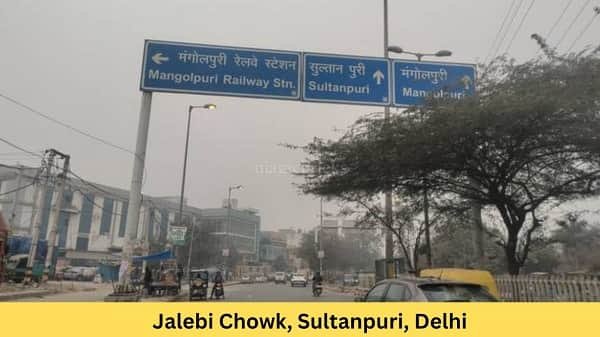
11Jalebi Chowk is one of the most lively, community-rooted, and commercially active intersections in Sultanpuri, north West Delhi, India. Located in Block E-1 of Sultanpuri — one of Delhi’s largest and most densely populated resettlement colonies — this well-known chowk serves as a key local transit junction, a busy daily market hub, and an important civic landmark for the residents of this vibrant working-class neighborhood. The chowk draws its name from the beloved Indian sweet jalebi, reflecting the warm, food-loving street culture and community spirit that define Sultanpuri’s daily life.
In 2026, Jalebi Chowk continues to pulse with the energy of one of Delhi’s most active and densely populated urban communities. Sultanpuri, originally developed as a planned resettlement colony in the 1970s and 1980s, has grown over decades into a fully self-contained neighborhood with its own markets, schools, hospitals, places of worship, and deep community bonds. With improving connectivity through the Delhi Metro Green Line, strong DTC bus networks, and the vibrancy of its local market, Jalebi Chowk stands as a daily gathering point that reflects the resilient, hardworking, and culturally rich character of Sultanpuri’s people.
| Category | Details |
| Location | Jalebi Chowk, Block E-1, Sultanpuri, North West Delhi – 110086 |
| Also Known As | Jalebi Chowk Sultanpuri; E-1 Chowk |
| Nearest City | New Delhi (~20 km), Rohini (~6 km) |
| Highway | Connected via Outer Ring Road and NH-44 (GT Karnal Road) |
| Key Roads | Sultanpuri Road, Peeragarhi Road, Mangolpuri Road, Outer Ring Road |
| Nearest Railway Stn | Delhi Sarai Rohilla Railway Station (~8 km) |
| Nearest Metro | Sultanpuri Metro Station – Green Line (Delhi Metro) |
| Nearest Airport | Indira Gandhi International Airport (~18 km) |
| Bus Connectivity | DTC buses, cluster buses, autos, e-rickshaws |
| Iconic Landmark | Sultanpuri Market, Durga Mandir Sultanpuri, Community Centre |
| Importance | Residential, commercial & community transit hub |
| Nearby Areas | Mangolpuri, Peeragarhi, Mundka, Nangloi, Rohini |
| Pin Code | 110086 |
| Admin Body | North Delhi Municipal Corporation / Delhi Development Authority (DDA) |
| Redevelopment Status | Metro-linked urban upgrades and road improvements (ongoing) |
Jalebi Chowk is located in Block E-1 of Sultanpuri, one of the largest planned resettlement colonies in North West Delhi. The chowk sits at a key local road junction within the dense residential layout of Sultanpuri, connecting the internal colony roads to Sultanpuri Road and the broader network that links the area to Peeragarhi, Mangolpuri, Mundka, and Nangloi. Its central position within the colony makes it the natural daily meeting point for residents going about their daily commerce, commuting, and community activities.
Sultanpuri is a neighborhood of remarkable community character — built by the determination of families who were resettled here from various parts of Delhi and other states, the colony has developed over decades into a self-sufficient urban community with strong social bonds, active local markets, and a vibrant cultural life. Jalebi Chowk, named after the sweet that has long been a staple of street celebrations and daily indulgence in North Indian culture, embodies the warmth and community spirit of Sultanpuri’s people.
The identity of Jalebi Chowk is shaped by:
It is often described as:
The area is surrounded by:
Administered by: North Delhi Municipal Corporation (North MCD) and Delhi Development Authority (DDA), responsible for civic maintenance, road management, and urban development across the zone.
Jalebi Chowk and Sultanpuri enjoy improving connectivity within Delhi’s North West zone, significantly enhanced by the Delhi Metro Green Line which has been a transformative addition to the area’s transport infrastructure.
Sultanpuri Road:
The primary internal road of the Sultanpuri colony, Sultanpuri Road connects Jalebi Chowk and the surrounding blocks to the Peeragarhi Chowk junction and the Outer Ring Road, providing the main vehicular access corridor for the colony’s large population to reach other parts of Delhi.
Peeragarhi Road:
Connecting Sultanpuri to the busy Peeragarhi intersection — a major junction on the Outer Ring Road — this road links Jalebi Chowk to the Delhi–Rohtak Road, the Mundka industrial area, and the broader North West Delhi road network, facilitating daily commuting and commercial traffic.
Outer Ring Road:
One of Delhi’s most important ring road arteries, the Outer Ring Road is accessible within a short distance from Jalebi Chowk and connects Sultanpuri to Rohini, Nangloi, Punjabi Bagh, and the broader Delhi road network, significantly improving intercity accessibility for the colony’s residents.
Road improvement and junction works are ongoing in the Sultanpuri area under Delhi government civic upgrade programs.
Sultanpuri Metro Station — Delhi Metro Green Line:
The Delhi Metro Green Line station at Sultanpuri has been a transformative development for the colony and for Jalebi Chowk’s surrounding neighborhood. The Green Line connects Sultanpuri to Inderlok, Ashok Park Main, and onward to Central and South Delhi, dramatically reducing commute times for the colony’s large working population who travel daily to offices, markets, and institutions across the capital. The metro has also brought a new level of economic activity and real estate interest to the Sultanpuri area.
Delhi Sarai Rohilla Railway Station:
Located approximately 8 km from Jalebi Chowk, Sarai Rohilla is one of Delhi’s key railway terminals, providing connectivity to Rajasthan, Haryana, and other North Indian destinations, and serving as an important rail gateway for Sultanpuri’s large migrant-origin population.
Indira Gandhi International Airport:
Accessible approximately 18 km away via the Outer Ring Road and NH-48, the airport is reachable by a combination of metro and road, making it convenient for air travelers from the Sultanpuri area.
The Delhi Metro Green Line has been the single most important infrastructure development for Sultanpuri and Jalebi Chowk, opening up economic and social opportunities for the colony’s residents that were previously limited by poor connectivity.
Jalebi Chowk and the Sultanpuri colony carry a distinct historical and cultural identity shaped by Delhi’s post-independence urban resettlement programs and the vibrant community life that has flourished here over the past five decades.
Sultanpuri was developed as one of Delhi’s major planned resettlement colonies during the 1970s and 1980s, as the city government sought to address the rapid influx of migrants and the expansion of unauthorized settlements across the capital. Families from various parts of Delhi and from other states were relocated to Sultanpuri, bringing with them diverse cultural traditions, dialects, and community practices that merged over time into the distinctive Sultanpuri identity. The colony was laid out in lettered blocks — A, B, C, D, E, and so on — with Jalebi Chowk in Block E-1 emerging organically as a community gathering point. Over the decades, residents built their lives here with remarkable tenacity, establishing markets, temples, schools, and social institutions that have given Sultanpuri a proud and self-reliant community character.
These landmarks reflect the self-sufficient and community-driven character of Sultanpuri — a neighborhood that has built its own civic and cultural infrastructure from the ground up.
Jalebi Chowk represents:
Jalebi Chowk and the surrounding Sultanpuri colony support a lively and densely active local economy driven by daily retail, small-scale trade, and the everyday commerce of one of Delhi’s largest working-class neighborhoods.
The area attracts:
True to its name, Jalebi Chowk and its surrounding lanes are celebrated for their North Indian street food culture:
The food culture around Jalebi Chowk is the soul of the neighbourhood — affordable, flavourful, and deeply rooted in the North Indian culinary traditions of Delhi’s working communities.
Jalebi Chowk and the Sultanpuri real estate market have seen growing interest, particularly driven by the Green Line metro connectivity and the area’s relative affordability within Delhi’s property landscape.
It is ideal for:
Jalebi Chowk and the Sultanpuri colony are supported by a growing network of civic, educational, and healthcare infrastructure that serves the daily needs of one of Delhi’s most populous residential zones.
Sultanpuri and Jalebi Chowk have benefited from Delhi government and MCD civic improvement programs, with the Delhi Metro Green Line being the most transformative infrastructure addition to the area in recent years.
This redevelopment has helped balance:
Sultanpuri’s self-built resettlement colony character + modern metro-linked Delhi urban infrastructure
Jalebi Chowk in Sultanpuri, Delhi is far more than a neighbourhood junction — it is the sweet, beating heart of one of the capital’s most vibrant and self-reliant communities, a daily crossroads where the stories, struggles, and celebrations of working-class Delhi come alive.
In 2026, the chowk stands as a proud symbol of Sultanpuri’s journey — from a planned resettlement colony to a fully self-sufficient urban neighborhood with its own identity, its own markets, and its own deep community bonds. With the Delhi Metro Green Line connecting the colony to the rest of the capital, DTC buses running frequent services, Mundka’s industrial zone providing livelihoods, and the warm culture of daily life anchored around places like Jalebi Chowk, Sultanpuri remains one of North West Delhi’s most important and recognizable communities.
Whether you are a resident heading to the metro for work, shopping at the local market, enjoying a fresh jalebi from a street stall, attending a festival at the Durga Mandir, or simply experiencing the authentic pulse of working-class Delhi, Jalebi Chowk offers an experience that truly reflects the resilient, warm, and community-proud spirit of Sultanpuri.