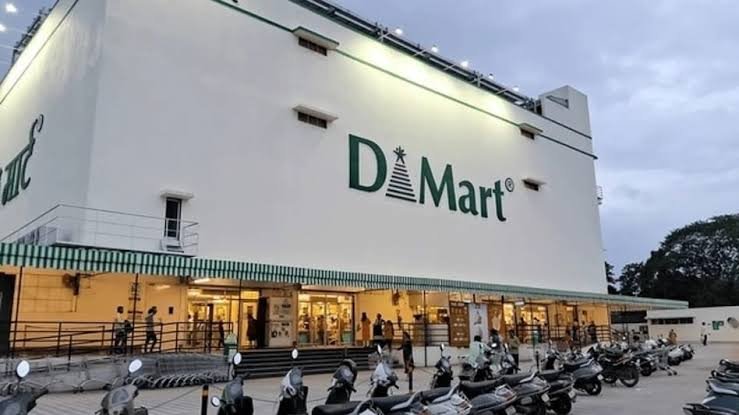
DMart — operated by Avenue Supermarts Limited, founded by Radhakishan Damani and headquartered in Mumbai — is India’s most profitable and most admired organised retail chain, operating a network of hypermarket stores across Maharashtra, Gujarat, Andhra Pradesh, Telangana, Karnataka, Tamil Nadu, Madhya Pradesh, Rajasthan, and NCR. Since its first store opening in Powai, Mumbai in 2002, DMart has grown to over 360 stores while consistently generating the highest revenue per square foot, highest inventory turns, and highest return on equity of any Indian organised retailer — creating a financial performance track record that has made Avenue Supermarts’ stock one of India’s most premium-valued consumer businesses. Radhakishan Damani’s philosophy of owning rather than leasing store properties and his relentless focus on everyday low prices has created a retail model of remarkable simplicity and extraordinary profitability.
Strengths
Every Day Low Price Model and Cost Discipline
DMart’s fundamental competitive proposition is straightforward and powerfully executed — offering consistently lower prices than competition on everyday grocery, personal care, and household goods rather than relying on promotional discounting that competitors use. This EDLP model creates strong customer loyalty and repeat visit frequency because consumers know prices are reliably low without needing to wait for sales. The model requires suppliers to offer better terms to DMart — which the company achieves through early payment commitments and predictable large volume orders that reduce supplier working capital costs in exchange for lower prices.
Property Ownership Strategy — Structural Cost Advantage
Radhakishan Damani’s decision to own all DMart store properties rather than lease them — a contrarian choice that requires more upfront capital — creates a structural long-term cost advantage of extraordinary value. Owned properties carry no rental costs — which represent 6–8% of revenue for most retail competitors — directly contributing to DMart’s industry-leading operating margins. As Indian commercial real estate values appreciate, DMart’s property portfolio simultaneously appreciates — creating hidden balance sheet value not visible in retail P&L analysis.
Inventory Management and Working Capital Excellence
DMart’s inventory turnover — the speed at which products move from procurement to customer sale — is approximately 3–4 times faster than most organised retail competitors. This rapid turnover, combined with the EDLP model’s predictable demand patterns, allows DMart to negotiate 30-day payment terms from suppliers while collecting cash from customers immediately — creating a negative working capital cycle where the business funds itself from customer cash flows rather than requiring external working capital financing.
Founder Discipline and Conservative Management Philosophy
Radhakishan Damani’s conservative, debt-averse, execution-focused management philosophy creates an institutional character that avoids the aggressive expansion, leverage, and promotional spend that has caused multiple Indian retail chains to fail. DMart’s methodical, quality-over-speed expansion — opening new stores only when financially prepared and operationally ready rather than at maximum possible speed — sacrifices near-term growth for long-term quality.
Weaknesses
Geographic Concentration in Western India
DMart’s store network remains disproportionately concentrated in Maharashtra and Gujarat — its home markets where brand recognition, supply chain efficiency, and real estate relationships are strongest. In North India, East India, and the Northeast, DMart’s presence is significantly thinner than its western India dominance, limiting total addressable market capture and creating vulnerability if western India growth eventually saturates.
Limited Online and Quick Commerce Presence
DMart’s digital grocery platform — DMart Ready — has not achieved the scale or consumer adoption of quick commerce competitors like Blinkit, Zepto, and Instamart. In India’s major cities, digitally native consumers are shifting grocery purchases toward 10-minute delivery platforms that DMart’s large-format hypermarket model is structurally ill-suited to serve. This online gap represents a genuine strategic challenge as urban grocery consumption increasingly moves digital.
Single Format Strategy
DMart operates exclusively in the large-format hypermarket category — a format optimised for weekly grocery stock-up shopping. The absence of smaller format neighbourhood stores limits DMart’s ability to capture daily top-up shopping occasions that represent a significant proportion of Indian grocery expenditure and are better served by proximity retail or quick commerce.
Opportunities
Tier-2 and Tier-3 City Expansion
India’s smaller cities are experiencing rapid income growth, organised retail awareness, and consumer aspiration toward quality grocery shopping experiences. DMart’s expansion into tier-2 and tier-3 cities — where organised retail penetration is low and competition less intense — creates significant same-store sales growth potential for new stores entering relatively undeveloped retail markets.
Private Label Development
DMart’s enormous customer traffic and supply chain relationships create a platform for developing private label products — branded goods manufactured specifically for DMart — that generate higher gross margins than national branded products while offering consumers even better value than branded alternatives. Private label penetration, currently modest at DMart, represents a significant margin enhancement opportunity.
Food Processing and Fresh Category Expansion
DMart’s existing grocery customer base creates natural expansion opportunities into fresh produce, fresh bakery, ready-to-cook, and ready-to-eat categories — higher-frequency purchase categories that drive incremental store visit occasions beyond the weekly stock-up trip.
Threats
Quick Commerce Disruption
Blinkit, Zepto, Instamart, and BigBasket are fundamentally changing urban grocery behaviour — capturing time-sensitive, convenience-oriented purchases that represent a meaningful proportion of the grocery basket. If quick commerce penetration continues growing rapidly in DMart’s urban store catchment areas, it could erode DMart’s urban same-store sales growth without equivalent rural market compensation.
Reliance Retail and JioMart Competition
Reliance Retail’s enormous capital, omnichannel ambition, and JioMart’s digital integration create a well-resourced competitor pursuing both physical retail scale and digital grocery simultaneously. Reliance’s ability to cross-subsidise retail from telecom cash flows and its planned aggressive store expansion create competitive pressure that DMart’s pure organic, debt-free growth model may struggle to match in rate of expansion.
Real Estate Cost Inflation
While DMart’s existing owned properties carry no rent, new store expansion requires purchasing commercial properties at significantly elevated Indian real estate prices — increasing the capital investment per new store and potentially reducing the return on invested capital for newer stores compared to the historical portfolio.
Conclusion
DMart’s SWOT profile describes India’s most financially disciplined large-scale retailer — a company whose founder’s philosophy of owning property, paying suppliers early, and never borrowing more than necessary has created a retail machine of exceptional profitability. The quick commerce challenge is real and requires a credible strategic response. For investors who believe the Indian grocery market’s physical organised retail segment will continue growing despite digital disruption, DMart remains the highest-quality expression of that long-term investment thesis.