
Satwari Chowk, Jammu: Facts, History & Connectivity
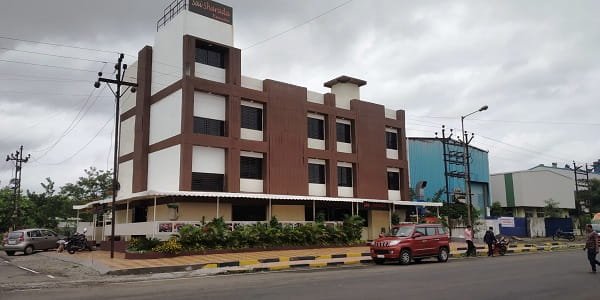
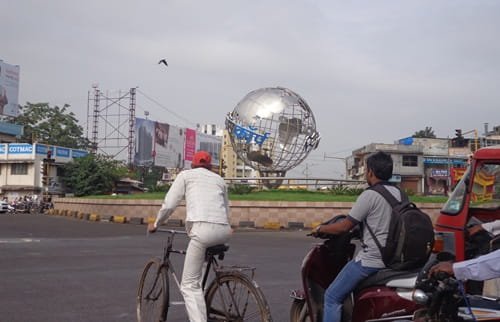
Satwari Chowk is one of the most important, strategically located, and high-traffic intersections in Jammu, Jammu & Kashmir. Situated in the southern part of Jammu city, this chowk serves as a major transit junction connecting Jammu Airport, military zones, and key residential and commercial areas. Due to its proximity to Satwari Cantonment and Jammu Airport, the chowk holds both civilian and defense significance.
In 2026, Satwari Chowk continues to be a crucial part of Jammu’s transport network, handling daily movement of civilians, defense personnel, and travelers. With strong road connectivity, proximity to vital infrastructure, and increasing urban development, the chowk is not just a traffic junction but a strategic and historical urban node in Jammu’s evolving cityscape.
Satwari Chowk Jammu Quick Details
| Category | Details |
| Location | Satwari Chowk, Jammu, Jammu & Kashmir – 180003 |
| Also Known As | Satwari Junction |
| Nearest City | Samba (~40 km) |
| Highway | Connected via NH-44 |
| Key Roads | Jammu–Pathankot Road, Satwari Road, Airport Road |
| Nearest Railway Stn | Jammu Tawi (~5 km) |
| Nearest Airport | Jammu Airport (~1 km) |
| Bus Connectivity | JKSRTC buses, autos, minibuses |
| Iconic Landmark | Satwari Cantonment & Airport proximity |
| Importance | Strategic, defense & transit hub |
| Nearby Areas | Satwari, Gandhi Nagar, Trikuta Nagar |
| Pin Code | 180003 |
| Admin Body | Jammu Municipal Corporation |
| Development Status | Fully active urban zone |
| Redevelopment Status | Road upgrades & traffic management ongoing |
1. Location & Identity of Satwari Chowk
Satwari Chowk is located in southern Jammu, near one of the most critical zones of the city — the Satwari Cantonment area and Jammu Airport. This positioning makes it one of the most strategically important intersections in Jammu.
Jammu, known as the winter capital of Jammu & Kashmir, serves as a gateway to the Kashmir Valley and a major administrative center. Satwari Chowk lies along this movement corridor, connecting key parts of the city to national highways and defense areas.
The identity of Satwari Chowk is shaped by:
- Its proximity to Jammu Airport
- Its connection to military and cantonment zones
- Its role as a major entry and exit point of the city
It is often described as:
👉 A strategic gateway to Jammu city
👉 A key junction near airport and defense zones
The area is surrounded by:
- Defense establishments and cantonment areas
- Residential colonies like Gandhi Nagar
- Commercial shops and local markets
Administered by: Jammu Municipal Corporation along with defense authorities managing nearby cantonment infrastructure.
2. Connectivity & Transport Infrastructure
Satwari Chowk offers strong connectivity across Jammu and beyond.
1. Road Connectivity
NH-44 (Jammu–Pathankot Highway):
One of India’s most important highways, connecting Jammu to Punjab and the rest of India.
Airport Road:
Direct access to Jammu Airport, making it a high-movement corridor.
Internal Roads:
Connect Satwari to Gandhi Nagar, Trikuta Nagar, and city center.
2. Rail & Airport Connectivity
Jammu Tawi Railway Station:
Located approximately 5 km away, one of North India’s busiest railway stations.
Jammu Airport:
Just 1 km from the chowk, making it one of the closest airport-linked intersections in the region.
3. Public Transport & Movement
- JKSRTC buses operate on major routes
- Autos and minibuses provide local connectivity
- Heavy movement of private and defense vehicles
The chowk experiences heavy traffic due to:
👉 Airport passengers
👉 Defense movement
👉 Daily city commuters
3. Historical Background & Strategic Significance
Satwari Chowk’s importance is deeply rooted in Jammu’s military, geographical, and administrative history, making it far more than just a modern traffic junction.
Origins of Satwari Area
The Satwari region historically developed as a strategic military zone during the pre-independence and early post-independence periods. Due to Jammu’s location as a gateway to Kashmir and its proximity to international borders, the area was selected for establishing cantonment and defense infrastructure.
The presence of Satwari Cantonment transformed the region into a highly sensitive and strategically controlled zone, shaping its development pattern over decades.
Role in Post-Independence Development
After India’s independence in 1947 and during subsequent conflicts, especially in 1947–48 and later Indo-Pak tensions, Jammu became a critical defense location. Satwari, being close to the border routes and key highways, gained even more importance.
- The cantonment area expanded to accommodate defense operations
- Infrastructure was developed for quick troop movement
- Roads around Satwari Chowk became vital for logistics and mobility
Development of Jammu Airport
One of the most defining factors in Satwari Chowk’s evolution was the development of Jammu Airport, located just adjacent to the area.
Originally serving limited military purposes, the airport gradually expanded into a civil aviation hub. Over time:
- It became one of the busiest airports in Jammu & Kashmir
- Civilian and defense usage increased simultaneously
- Satwari Chowk emerged as the main access point to the airport
This dual-use nature (civil + defense) gives the chowk unique strategic importance.
Urban Growth & Transition
Over the years, Satwari Chowk transitioned from a purely defense-oriented zone to a mixed urban area, including:
- Residential colonies like Gandhi Nagar
- Commercial shops and service centers
- Increased civilian population
Despite this growth, the area still retains its strategic and controlled nature due to defense presence.
Strategic Identity Today
Satwari Chowk represents:
- Jammu’s defense backbone and logistical importance
- A gateway connecting civilian and military zones
- A critical junction linking airport, highway, and city
4. Commercial & Market Activity
Satwari Chowk supports a growing local commercial ecosystem.
Key Commercial Zones
- Satwari local market
- Gandhi Nagar commercial areas
- Roadside shops and service centers
What You’ll Find
- Grocery stores and daily-use shops
- Travel services and taxi operators
- Medical stores and small businesses
Food & Lifestyle
The area offers:
- Local North Indian food stalls
- Small restaurants and dhabas
- Tea shops serving travelers
The chowk attracts:
👉 Travelers and airport passengers
👉 Local residents
👉 Defense personnel
5. Real Estate & Commercial Importance (2026)
Satwari Chowk is part of a strategically valuable urban zone.
Current Trends
- Stable residential demand
- Moderate commercial growth
- Limited high-rise development due to defense restrictions
Investment Perspective
- Strategic location ensures long-term relevance
- Proximity to airport increases value
- Controlled development maintains stability
It is ideal for:
👉 Local businesses
👉 Long-term investors
👉 Service-based establishments
6. Social Infrastructure & Daily Life
The area offers essential infrastructure for residents.
1. Education
- Schools in Gandhi Nagar and nearby areas
- Colleges accessible in Jammu city
2. Healthcare
- Clinics and hospitals nearby
- Access to major hospitals in Jammu
3. Shopping & Lifestyle
- Local markets and shops
- Restaurants and basic amenities
- Easy access to city facilities
7. Modern Redevelopment & Urban Changes
Jammu is gradually upgrading its infrastructure.
Key Improvements
- Road widening and traffic control
- Better connectivity to airport
- Civic infrastructure upgrades
Impact
- Improved traffic flow
- Better travel experience
- Increased commercial activity
This development balances:
👉 Strategic military importance + urban growth
Conclusion
Satwari Chowk in Jammu is far more than just a traffic junction — it is a strategic, historical, and functional gateway that connects the city’s civilian life with its defense backbone.
In 2026, the chowk stands as a crucial part of Jammu’s infrastructure, supported by strong connectivity, airport proximity, and deep historical significance. Its unique blend of military importance and urban activity makes it one of the most important intersections in the region.
Whether you are traveling, commuting, or understanding Jammu’s geography, Satwari Chowk offers a powerful insight into the city’s history, strategy, and growth.