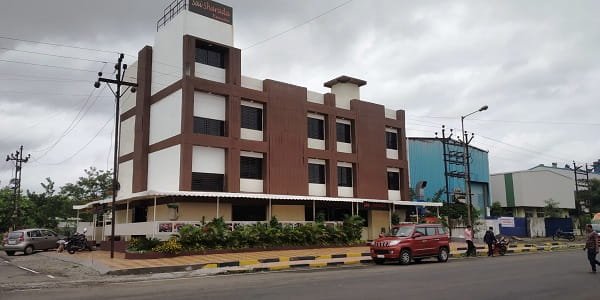
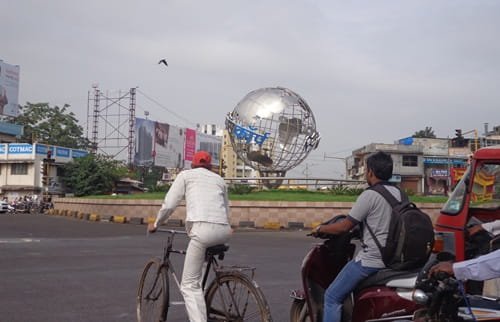
Ambethan Chowk is one of the most prominent, historically resonant, and commercially active intersections in Panipat, Haryana, India. Located along a key road corridor in the city, this well-known chowk serves as an important transit junction, a busy local market hub, and a significant civic landmark for the residents of Panipat and the surrounding region. The chowk derives its name from the village of Ambethan, a locality that forms part of Panipat’s expanding urban periphery, and has grown steadily into a recognized reference point in the city’s road network and daily life.
In 2026, Ambethan Chowk continues to thrive as a key intersection in Panipat’s rapidly developing urban landscape. Panipat — famously known as the City of Weavers and the City of Battles — is one of Haryana’s most important industrial and historical cities, and Ambethan Chowk sits within this rich urban and cultural setting. With strong road connectivity via national and state highways, proximity to Panipat’s famous textile industry, and a vibrant local commercial character, Ambethan Chowk plays an important role in the daily commercial, transit, and civic life of the city.
Ambethan Chowk Panipat Quick Details
| Category | Details |
| Location | Ambethan Chowk, Panipat, Haryana – 132103 |
| Also Known As | Ambethan Crossing; Panipat Ambethan Junction |
| Nearest City | Karnal (~45 km), Kurukshetra (~55 km), Delhi (~90 km) |
| Highway | Connected via NH-44 (Delhi–Ambala Highway) and State Highway 6 |
| Key Roads | GT Road (NH-44), Ambethan Road, Sanauli Road, Panipat–Samalkha Road |
| Nearest Railway Stn | Panipat Railway Station (~4 km) |
| Nearest Metro | No metro; Haryana Roadways and city buses available |
| Nearest Airport | Indira Gandhi International Airport, Delhi (~90 km) |
| Bus Connectivity | Haryana Roadways, private buses, autos, e-rickshaws |
| Iconic Landmark | Panipat Battlefield, Kala Amb Memorial, Ibrahim Lodi Tomb |
| Importance | Industrial, commercial & transit hub |
| Nearby Areas | Ambethan Village, Model Town, Sanauli Road, GT Road corridor |
| Pin Code | 132103 |
| Admin Body | Panipat Municipal Corporation (PMC) |
| Redevelopment Status | Road widening and civic infrastructure upgrades (ongoing) |
1. Location & Identity of Ambethan Chowk
Ambethan Chowk is located in Panipat, one of Haryana’s most historically significant and industrially important cities. Situated along a key road connecting the GT Road (NH-44) corridor to the Ambethan and Sanauli Road areas, the chowk forms a natural junction point for traffic moving between Panipat’s urban core and its expanding peri-urban and rural hinterland. The chowk’s position places it within the orbit of Panipat’s major industrial zones, residential colonies, and the famous battle sites that have shaped Indian history.
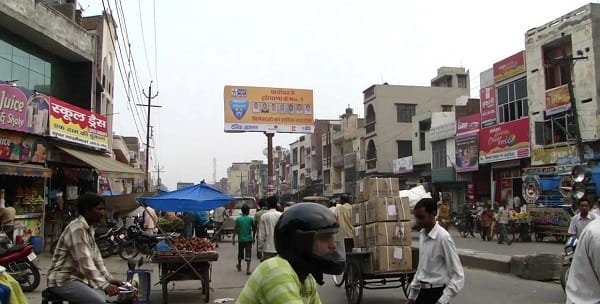
The commercial and civic area surrounding Ambethan Chowk features a practical mix of local shops, agricultural supply stores, daily markets, transport facilities, and service establishments catering to both urban residents and the surrounding rural population that depends on Panipat as its nearest major city.
The identity of Ambethan Chowk is shaped by:
- Its location within Panipat — the city that witnessed three of the most decisive battles in Indian history
- Its role as a transit and commercial node linking the city to its expanding rural and peri-urban hinterland
- The influence of Panipat’s dominant textile and weaving industry on the surrounding commercial character
It is often described as:
A key transit junction on the edge of Panipat’s urban and rural interface
A commercial gateway connecting Panipat’s city core to its outlying villages and industrial zones
The area is surrounded by:
- Agricultural fields and peri-urban residential developments
- Industrial units linked to Panipat’s textile and recycling economy
- Local markets, dhabas, and daily-use commercial establishments
Administered by: Panipat Municipal Corporation (PMC), responsible for civic maintenance, road management, and urban development across the city.
2. Connectivity & Transport Infrastructure
Ambethan Chowk benefits from Panipat’s excellent location on India’s most important highway corridor and its strong rail connectivity, making it well-accessible from Delhi, Chandigarh, and the broader North India region.
1. Road Connectivity
NH-44 (Grand Trunk Road / Delhi–Ambala Highway):
One of India’s oldest, longest, and most significant national highways, NH-44 (the modern designation of the historic Grand Trunk Road) passes through Panipat and connects Ambethan Chowk to Delhi in the south and Ambala, Ludhiana, and Amritsar in the north. This highway has been the lifeblood of North India’s road-based commerce and travel for centuries and continues to carry enormous volumes of traffic daily.
Ambethan Road:
The road directly associated with the chowk, connecting it to the Ambethan village and the peri-urban zones east of Panipat city, serving as an important artery for agricultural and light industrial traffic.
Sanauli Road and Panipat–Samalkha Road:
These roads extend the chowk’s connectivity to neighboring towns and rural areas of Panipat district, facilitating movement of goods, agricultural produce, and daily commuters from the surrounding region into the city.
Ongoing road widening and surface improvement works under the Panipat Municipal Corporation’s infrastructure plan aim to ease congestion and improve connectivity around the chowk.
2. Rail & Airport Connectivity
Panipat Railway Station:
Located approximately 4 km from Ambethan Chowk, Panipat Railway Station is one of the busiest stations on the Delhi–Ambala–Amritsar main line, one of India’s most heavily trafficked rail corridors. The station provides direct connectivity to Delhi, Chandigarh, Ambala, Ludhiana, and Amritsar, making Panipat highly accessible by rail for both passengers and industrial freight.
Indira Gandhi International Airport, Delhi:
Located approximately 90 km south via NH-44, IGI Airport is the nearest major international airport, accessible within roughly 90 minutes by road. This connectivity makes Panipat practical for business travelers and industrialists needing air access to national and international destinations.
3. Public Transport & Movement
- Haryana Roadways operates an extensive bus network connecting Panipat to Delhi, Chandigarh, Kurukshetra, and all major Haryana cities
- Private buses and minibuses serve intercity and inter-village routes through the chowk
- Auto-rickshaws and e-rickshaws are the dominant mode for short-distance city travel
- Shared tempos serve the rural-urban commute from Ambethan and surrounding villages into the city
Panipat’s position on NH-44 ensures that Ambethan Chowk has access to frequent intercity bus services throughout the day, connecting it to Delhi and Chandigarh with ease.
3. Historical Background & Cultural Significance
Ambethan Chowk sits within Panipat — a city whose name reverberates through the pages of Indian history. Few cities in India can match the historical weight that Panipat carries, having been the site of three of the most consequential battles ever fought on the subcontinent.
Panipat — The City of Battles
The First Battle of Panipat (1526) saw Babur defeat Ibrahim Lodi, establishing the Mughal Empire in India. The Second Battle of Panipat (1556) saw Akbar’s forces defeat Hemu, consolidating Mughal supremacy. The Third Battle of Panipat (1761) saw the Afghan ruler Ahmad Shah Durrani defeat the Maratha Confederacy in one of the bloodiest battles of the 18th century. These three battles fundamentally shaped the political destiny of the Indian subcontinent, and Panipat’s landscape — including the areas around Ambethan — is steeped in this extraordinary military and political heritage.
Iconic Landmarks Nearby
- Panipat Battlefield and Kala Amb Memorial — marking the site of the Third Battle of Panipat (1761)
- Ibrahim Lodi’s Tomb — the resting place of the last Lodi sultan, defeated in the First Battle of Panipat
- Devi Temple Panipat — a revered religious site drawing devotees from across the region
- Panipat Museum — chronicling the city’s extraordinary military history and cultural heritage
- Hemu’s Samadhi — a historical site associated with the Second Battle of Panipat
These landmarks make the broader Panipat area — including the Ambethan Chowk zone — one of the most historically significant urban regions in India.
Cultural & Community Character
Ambethan Chowk represents:
- Haryanvi community traditions rooted in agriculture, craftsmanship, and trade
- Festivals including Baisakhi, Diwali, Holi, and Teej celebrated with strong community participation
- The cultural pride of a city that knows its pivotal role in India’s historical narrative
4. Commercial & Market Activity
Ambethan Chowk and the surrounding Panipat area support a robust local economy driven by the city’s dominant textile and recycled goods industry, daily trade, and agricultural commerce from the surrounding rural hinterland.
Key Commercial Zones
- Panipat Textile Market — the heart of Panipat’s world-famous recycled fabric and blanket industry
- GT Road commercial corridor — wholesale and retail trade, showrooms, and eateries
- Ambethan Road local market — daily essentials, agricultural supplies, and neighborhood retail
- Sanauli Road commercial strip — hardware, building materials, and general merchandise
What You’ll Find
- Recycled blankets, shawls, and woolen goods from Panipat’s famous textile recycling industry
- Agricultural supplies, seeds, and farming equipment for the surrounding rural population
- Daily essentials, groceries, and general merchandise
- Street food, dhabas, and affordable local eateries
The market attracts:
Textile traders and buyers visiting Panipat’s famous recycled goods market
Farmers and agricultural traders from surrounding villages
Daily commuters and local residents from the city and peri-urban areas
Street Food & Dining
The chowk and surrounding area reflect Panipat’s hearty Haryanvi food culture:
- Stuffed parathas, dal makhani, and lassi at traditional dhabas along GT Road
- Chhole bhature, poori sabzi, and seasonal snacks at local stalls
- Jalebi and traditional Haryanvi sweets from local mithai shops
The food scene around Ambethan Chowk is simple, filling, and authentic — a true reflection of Haryana’s agricultural and working-class culinary traditions.
5. Real Estate & Commercial Importance (2026)
Panipat’s real estate market, including the Ambethan Chowk area, has seen steady growth driven by the city’s industrial expansion, improving road infrastructure, and its affordability relative to Delhi and the NCR.
Current Trends
- Growing demand for residential plots and affordable housing in Panipat’s expanding peri-urban zones
- Rising industrial and commercial property interest driven by Panipat’s textile and petrochemical sectors
- Increasing investor attention from Delhi-NCR buyers seeking affordable properties within highway reach of the capital
Investment Perspective
- NH-44 connectivity and proximity to Delhi make Panipat a natural industrial and residential overspill zone
- Panipat Refinery — one of India’s largest oil refineries operated by HPCL — adds significant economic weight to the city
- Affordable land and property prices with strong long-term appreciation potential
It is ideal for:
Industrial investors targeting Panipat’s textile, petrochemical, and logistics sectors
Residential buyers seeking affordable plots and housing within commuting distance of Delhi
Retail and service businesses catering to Panipat’s growing urban and industrial population
6. Social Infrastructure & Daily Life
Ambethan Chowk and the surrounding Panipat area are supported by a functional network of civic, educational, and healthcare infrastructure serving the city’s large and diverse population.
1. Education
- Several government and private schools in Panipat city serving urban and peri-urban students
- Panipat Institute of Engineering and Technology (PIET) — a prominent technical institution
- Government colleges and coaching institutes accessible across the city
2. Healthcare
- Civil Hospital Panipat — the primary government healthcare facility for the district
- Multiple private hospitals, nursing homes, and clinics serving the city’s population
- Pharmacies and diagnostic centers easily accessible from the chowk
3. Shopping & Lifestyle
- Daily essentials and agricultural supplies available in the local market area
- Panipat city markets offering textiles, garments, and general merchandise
- Parks and open community spaces in the residential colonies nearby
7. Modern Redevelopment & Urban Changes
Panipat has been included in Haryana’s urban development agenda, with infrastructure improvements undertaken across key city zones including the Ambethan Chowk corridor.
Key Improvements
- Road widening and resurfacing on key approaches including Ambethan Road and Sanauli Road
- Traffic signal upgrades and junction management improvements
- Street lighting installation and improvement of public spaces around the chowk
- Drainage and sanitation upgrades under civic development schemes
Impact
- Improved traffic flow between the city core and peri-urban zones via Ambethan Chowk
- Better road conditions supporting the movement of industrial and agricultural goods
- Enhanced civic amenities improving quality of life for residents in the surrounding areas
This redevelopment has helped balance:
Ancient historical city character + modern industrial and urban infrastructure
Conclusion
Ambethan Chowk in Panipat is far more than a road intersection — it is a point on the map of one of India’s most historically extraordinary cities, a daily crossroads for thousands of residents, traders, and commuters, and a quiet participant in the continuing story of Panipat’s evolution from a city of historic battles to a city of modern industry and commerce.
In 2026, the chowk stands as a functional and growing part of Panipat’s urban fabric. With NH-44 connectivity to Delhi and Chandigarh, strong rail access through Panipat Junction, a textile-driven industrial economy, affordable real estate, and some of India’s most profound historical landmarks in its vicinity, Ambethan Chowk is well-positioned to grow further as Panipat continues its urban and economic expansion.
Whether you are traveling through on the historic Grand Trunk Road, exploring the legendary battlefields of Panipat, conducting textile trade, or looking for affordable property in a well-connected Haryana city, Ambethan Chowk offers an experience that reflects the layered, resilient, and industrious spirit of Panipat.