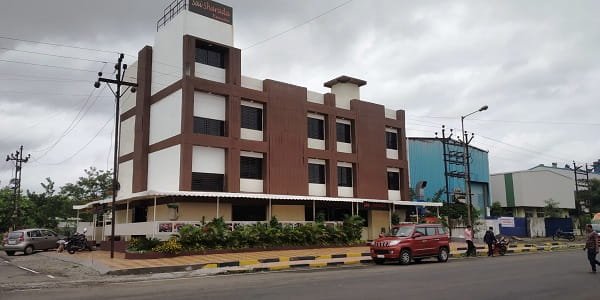
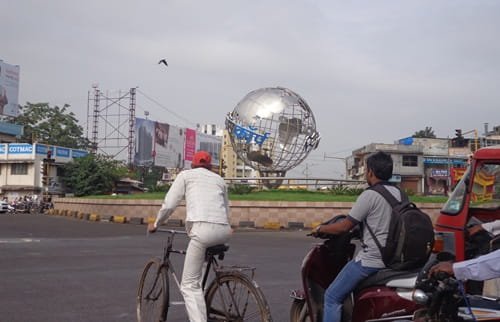
Atul Kataria Chowk is one of the most prominent, strategically located, and rapidly developing intersections in Gurugram (Gurgaon), Haryana, India. Situated in Sector 4 along the Old Delhi–Gurugram Road, this busy chowk serves as a vital transit junction, a growing commercial node, and a key landmark for residents of South Delhi and Gurugram alike. Named after martyr Atul Kataria, a local hero honored by the community, the chowk carries both civic pride and historical memory within its identity.
In 2026, Atul Kataria Chowk has emerged as an important urban junction shaped by Gurugram’s rapid infrastructure growth and its proximity to major employment and residential hubs. With improved road infrastructure, strong metro connectivity via the Delhi Metro, and a thriving mix of retail and commercial establishments, the area has become increasingly accessible and economically significant. From local markets and food outlets to residential colonies and corporate offices, Atul Kataria Chowk stands at the crossroads of Gurugram’s old identity and its modern aspirations.
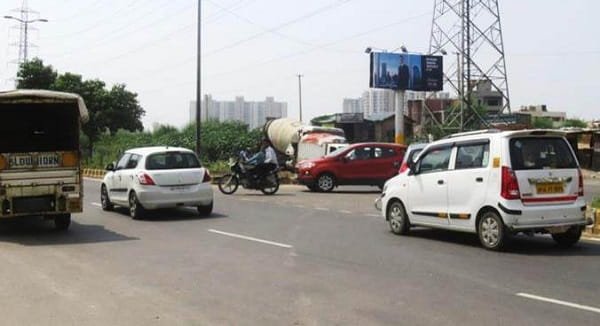
Atul Kataria Chowk Gurugram Quick Details
| Category | Details |
| Location | Atul Kataria Chowk, Sector 4, Gurugram, Haryana – 122001 |
| Also Known As | Atul Kataria Crossing; Sector 4 Chowk |
| Nearest City | New Delhi (~14 km) |
| Highway | Connected via Old Delhi–Gurugram Road (NH-48 feeder) |
| Key Roads | Old Delhi Road, Sector 4 Road, Palam Vihar Road, Sheetla Mata Road |
| Nearest Railway Stn | Gurugram Railway Station (~4 km) |
| Nearest Metro | Atul Kataria Chowk Metro Station – Rapid Metro (Purple Line) |
| Nearest Airport | Indira Gandhi International Airport (~12 km) |
| Bus Connectivity | Haryana Roadways, DTC, city buses, autos, e-rickshaws |
| Iconic Landmark | Sheetla Mata Mandir, Leisure Valley Park |
| Importance | Transit, residential & commercial hub |
| Nearby Areas | Sector 4, Sector 5, Palam Vihar, DLF Phase 1, Sector 7 |
| Pin Code | 122001 |
| Admin Body | Municipal Corporation of Gurugram (MCG) |
| Redevelopment Status | Road widening & smart traffic management (ongoing) |
1. Location & Identity of Atul Kataria Chowk
Atul Kataria Chowk is located in Sector 4 of Gurugram, one of India’s fastest-growing cities and a leading corporate and residential destination in the National Capital Region (NCR). The chowk sits along the Old Delhi–Gurugram Road, a historically important corridor that connected Delhi to Gurugram long before the modern expressways were developed. Its position makes it a natural junction between older residential sectors and the newer commercial zones of Gurugram.
The chowk and its surrounding area feature a dense mix of local markets, retail outlets, residential colonies, and service establishments that cater to the daily needs of a large and diverse urban population.
The identity of Atul Kataria Chowk is shaped by:
- Its namesake — martyr Atul Kataria — honoring local sacrifice and community memory
- Its role as a key transit node connecting Gurugram’s old sectors to Delhi and newer city zones
- Rapid residential and commercial development driven by Gurugram’s growth
It is often described as:
A vital transit junction in old Gurugram
A gateway between South Delhi and Gurugram’s residential heartland
The area is surrounded by:
- Established residential colonies in Sectors 4, 5, and 7
- Local markets, schools, healthcare centers, and places of worship
- Mix of old Gurugram housing and modern mid-rise developments
Administered by: Municipal Corporation of Gurugram (MCG), responsible for road maintenance, civic services, and urban infrastructure upgrades across the zone.
2. Connectivity & Transport Infrastructure
Atul Kataria Chowk enjoys excellent connectivity within Gurugram and to Delhi, making it one of the more accessible junctions in the older parts of the city.
1. Road Connectivity
Old Delhi–Gurugram Road: The primary arterial road passing through the chowk, connecting it to Delhi’s Dwarka and Palam zones on one side and Gurugram’s inner sectors on the other. This road handles heavy daily commuter and commercial traffic.
Sheetla Mata Road: Connects Atul Kataria Chowk to the famous Sheetla Mata Mandir and onward to sectors in central Gurugram, serving as a key local artery for temple visitors and daily commuters alike.
Palam Vihar Road: Links the chowk to Palam Vihar, one of Gurugram’s largest and most established residential areas, facilitating significant daily traffic flow.
Ongoing road widening and signal upgrades under the MCG’s infrastructure plan aim to ease the chronic congestion experienced at this busy junction.
2. Metro & Rail Connectivity
Atul Kataria Chowk Metro Station – Rapid Metro (Purple Line):
The chowk has its own dedicated metro station on the Rapid Metro Gurugram network, providing seamless connectivity to MG Road, Cyber City, and IFFCO Chowk. This has significantly improved the daily commute for residents and working professionals in the area.
Gurugram Railway Station:
Located approximately 4 km away, the railway station connects the area to Delhi, Rewari, Alwar, and other major destinations across North India.
Indira Gandhi International Airport:
Situated about 12 km away via the Dwarka Expressway and NH-48 feeder roads, the airport makes Atul Kataria Chowk highly accessible for air travelers and business visitors.
3. Public Transport & Movement
- Haryana Roadways and DTC buses serve key routes through the chowk
- Auto-rickshaws and e-rickshaws are widely available for last-mile connectivity
- Cab aggregators Ola and Uber operate actively in the area
- Walking and cycling are common within residential sectors nearby
The metro station at Atul Kataria Chowk has been a transformative addition, significantly reducing dependence on private vehicles for daily commuters.
3. Historical Background & Cultural Significance
While Gurugram is often associated with its modern corporate identity, Atul Kataria Chowk carries a layer of local history and community significance that predates the city’s rapid urbanization.
The Legacy of Atul Kataria
The chowk is named in memory of Atul Kataria, a local martyr whose sacrifice is honored by the community of Gurugram. The naming of a major civic junction after him reflects the city’s tradition of remembering its heroes within the public landscape. For residents of Sectors 4 and 5, the chowk serves as a daily reminder of local pride and historical memory.
Iconic Landmarks Nearby
- Sheetla Mata Mandir — one of the most revered temples in Gurugram and the NCR, attracting thousands of devotees especially during Navratri
- Leisure Valley Park — a large green recreational space popular among families and fitness enthusiasts
- Old Gurugram Market — preserving the character of the city’s pre-corporate commercial identity
- Sector 4 and 5 residential zones — among Gurugram’s oldest established neighborhoods
These landmarks reinforce the chowk’s role as a cultural and civic anchor within Gurugram’s older urban fabric.
Cultural Character
Atul Kataria Chowk represents:
- A blend of Haryanvi, Punjabi, and North Indian community traditions
- Festivals including Navratri, Diwali, and Holi celebrated with community participation
- A contrast between old Gurugram’s residential character and the city’s modern commercial growth
4. Commercial & Market Activity
Atul Kataria Chowk and its surrounding areas support a lively local economy driven by retail, daily trade, and service businesses catering to the dense residential population nearby.
Key Commercial Zones
- Sector 4 Local Market — daily essentials, groceries, and retail shops
- Old Delhi Road commercial strip — retail stores, showrooms, and eateries
- Palam Vihar Market — larger retail zone with branded and local stores
- Sheetla Mata Road shops — religious goods, flowers, and temple-related trade
What You’ll Find
- Grocery stores, bakeries, and daily essentials
- Pharmacies, clinics, and diagnostic centers
- Retail garment and footwear shops
- Street food stalls, dhabas, and fast food outlets
The area attracts:
Local residents from surrounding sectors
Daily commuters passing through the junction
Devotees visiting the Sheetla Mata Mandir
Street Food & Dining
The chowk and its adjacent lanes offer a hearty North Indian street food experience:
- Chole bhature and parathas at local dhabas
- Chaat, golgappe, and tikki stalls
- Lassi, fresh juice, and roadside chai
The food scene around Atul Kataria Chowk is a reflection of the area’s predominantly North Indian residential character and everyday culture.
5. Real Estate & Commercial Importance (2026)
Atul Kataria Chowk has emerged as a significant real estate location in Gurugram, particularly for residential and mixed-use developments, driven by metro connectivity and its established neighborhood character.
Current Trends
- Strong demand for residential apartments and builder floors in Sectors 4, 5, and 7
- Rising commercial interest along Old Delhi Road and Sheetla Mata Road
- Growing preference among professionals for the area’s metro accessibility and relative affordability
Investment Perspective
- Metro connectivity makes it attractive for both end-users and investors
- Proximity to IGI Airport and Cyber City adds strong rental demand
- Established neighborhood infrastructure ensures stable long-term value
It is ideal for:
Residential buyers seeking metro-connected, affordable sectors
Retail and service businesses catering to dense local population
Investors targeting Gurugram’s growing mid-segment property market
6. Social Infrastructure & Daily Life
Atul Kataria Chowk and its surrounding sectors are supported by well-developed civic and social infrastructure, making it a self-sufficient zone for daily urban life.
1. Education
- Several reputed schools in Sectors 4, 5, and Palam Vihar including government and private institutions
- Coaching centers and skill development institutes easily accessible by metro and road
2. Healthcare
- Multiple clinics, nursing homes, and hospitals in the vicinity
- Pharmacies and diagnostic labs available within short distances
- Civil Hospital Gurugram accessible within a few kilometers
3. Shopping & Lifestyle
- Local markets and retail strips within walking distance for residents
- Larger malls and shopping centers accessible via metro at MG Road and Cyber City
- Daily essentials, fresh produce, and services easily available in the neighborhood
7. Modern Redevelopment & Urban Changes
Atul Kataria Chowk has been part of Gurugram’s broader urban infrastructure upgrade program, with several improvements undertaken in recent years to handle the growing population and traffic load.
Key Improvements
- Road widening on Old Delhi Road to ease peak-hour congestion
- Smart traffic signal systems installed at key intersections
- Improved street lighting and pedestrian crossing infrastructure
- Metro station integration improving last-mile connectivity
Impact
- Reduced commute times for daily travelers using the metro
- Better pedestrian safety near the chowk and market areas
- Increased commercial interest due to improved accessibility
This redevelopment has helped balance:
Established residential character + modern transit infrastructure
Conclusion
Atul Kataria Chowk in Gurugram is far more than a busy road junction — it is a civic landmark that bridges the city’s older residential identity with its modern growth story.
In 2026, the chowk stands as a clear example of how thoughtful infrastructure investment, including metro connectivity and road improvements, can transform an established urban junction into a thriving transit and commercial hub. With strong transport links, a dense residential catchment, proximity to the Sheetla Mata Mandir, and a growing commercial profile, Atul Kataria Chowk remains one of the most important and well-recognized intersections in Gurugram.
Whether you are commuting to Cyber City, visiting the Sheetla Mata Mandir, exploring old Gurugram’s markets, or looking for residential property in an accessible and established neighborhood, Atul Kataria Chowk offers an experience that reflects the true character of Gurugram’s evolving urban identity.