
Prince Chowk, Dehradun, Uttarakhand: Facts, History & Connectivity
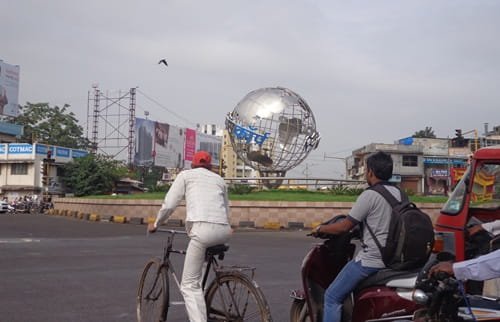
Prince Chowk is one of the most prominent, commercially active, and strategically positioned intersections in Dehradun, the capital of Uttarakhand, India. Located in the Dhamawala Mohalla area of Paltan Bazaar — just 0.5 km from Dehradun Railway Station on Raja Road — this busy and well-recognized chowk serves as a key transit junction, a thriving hospitality and commercial hub, and an important daily landmark for the thousands of residents, travelers, tourists, and commuters who move through one of Dehradun’s most central and historically established neighborhoods. Prince Chowk’s exceptional proximity to the railway station makes it one of the most visited and commercially significant intersections in the heart of the city.
In 2026, Prince Chowk continues to thrive as a recognized and active urban intersection in Dehradun’s old city core. Dehradun — the capital of Uttarakhand, a city celebrated for its cool climate, prestigious educational institutions, proximity to the Himalayas, and status as the gateway to some of India’s most beloved pilgrimage and adventure destinations — provides an extraordinary setting for this chowk. With the railway station steps away, Paltan Bazaar’s vibrant market within walking distance, the iconic Clock Tower and Parade Ground nearby, and the grandeur of Mussoorie visible from the city’s elevated points, Prince Chowk sits at the beating commercial heart of one of North India’s most charming hill capitals.
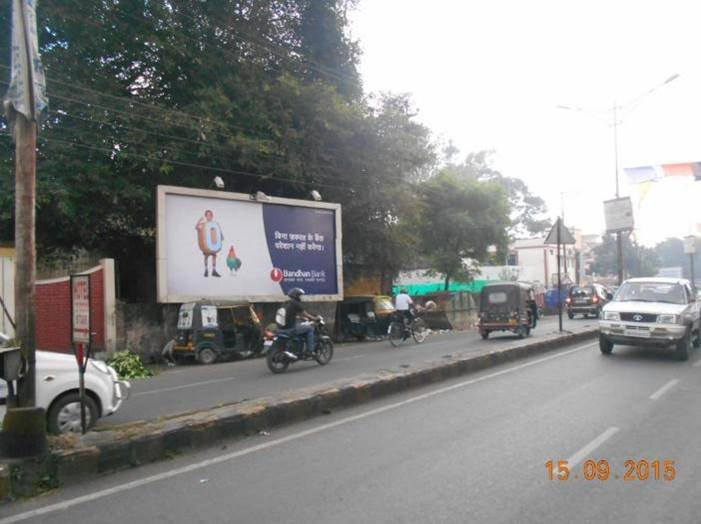
Prince Chowk Dehradun Quick Details
| Category | Details |
| Location | Prince Chowk, Dhamawala Mohalla, Paltan Bazaar, Dehradun – 248001 |
| Also Known As | Prince Chowk Dehradun; Railway Station Chowk |
| Nearest City | Haridwar (~54 km), Rishikesh (~43 km), Mussoorie (~34 km) |
| Highway | Connected via NH-707A and Haridwar Road |
| Key Roads | Raja Road, Gandhi Road, Haridwar Road, Paltan Bazaar Road, Sahastradhara Road |
| Nearest Railway Stn | Dehradun Railway Station (~0.5 km) — Northern Railway terminus |
| Nearest Metro | No metro; city buses and vikrams available |
| Nearest Airport | Jolly Grant Airport, Dehradun (~22 km) |
| Bus Connectivity | UPSRTC/UTTPTL buses, city buses, vikrams, autos, app-based cabs |
| Iconic Landmark | Dehradun Railway Station, Clock Tower, Paltan Bazaar, The Doon School |
| Importance | Transit, hospitality, commercial & tourist hub |
| Nearby Areas | Paltan Bazaar, Dhamawala Mohalla, Aradhar Chowk, Govind Nagar, Race Course |
| Pin Code | 248001 |
| Admin Body | Dehradun Municipal Corporation (DMC) / MDDA |
| Redevelopment Status | Smart City Mission road and civic upgrades (ongoing) |
1. Location & Identity of Prince Chowk
Prince Chowk is located in Dhamawala Mohalla within the Paltan Bazaar area — one of Dehradun’s oldest, most centrally positioned, and most commercially active neighborhoods. The chowk sits on Raja Road, just 0.5 km from Dehradun Railway Station — making it the closest significant intersection to the city’s principal rail terminus and therefore one of the most naturally high-footfall locations in the entire city. Gandhi Road, Haridwar Road, and Sahastradhara Road converge near this zone, connecting Prince Chowk to all parts of Dehradun and to the key pilgrimage and tourist corridors that radiate outward from the city.
Paltan Bazaar — the neighborhood within which Prince Chowk sits — is Dehradun’s original and most historic commercial market area. A buzzing, energetic, and characterful bazaar that has served travelers and residents since the colonial era, it is the first place most railway travelers encounter upon arriving in Dehradun and the last they pass through on departure. Prince Chowk, positioned at the heart of this zone, captures the full energy of this historic market neighborhood.
The identity of Prince Chowk is shaped by:
- Its extraordinary proximity to Dehradun Railway Station — just 0.5 km — making it a natural hub for travelers
- Its location in Paltan Bazaar — Dehradun’s oldest and most historically established commercial neighborhood
- Its role as a key transit and hospitality junction serving the city’s large tourist and pilgrim traffic
It is often described as:
👉 The gateway chowk of Dehradun — the first intersection most visitors encounter after stepping off the train
👉 A busy commercial hub at the heart of Dehradun’s historic Paltan Bazaar neighborhood
The area is surrounded by:
- Hotels, lodges, and guest houses catering to the large flow of railway travelers and tourists
- Paltan Bazaar’s retail shops, restaurants, and daily commerce establishments
- Dhamawala Mohalla’s residential lanes with their mix of old Dehradun character and modern commerce
Administered by: Dehradun Municipal Corporation (DMC) and Mussoorie Dehradun Development Authority (MDDA), responsible for civic maintenance, road management, and Smart City upgrades across the zone.
2. Connectivity & Transport Infrastructure
Prince Chowk enjoys exceptional transit connectivity — its 0.5 km proximity to Dehradun Railway Station and position at the convergence of major city roads makes it one of the most accessible intersections in the entire state capital.
1. Road Connectivity
Raja Road:
The primary road directly linking Prince Chowk to Dehradun Railway Station — just 500 metres away — Raja Road is one of the most commercially active streets in the city. Lined with hotels, shops, travel agencies, and restaurants catering to railway travelers, it channels an enormous daily flow of passengers, porters, auto-rickshaws, and commercial vehicles between the station and the city.
Gandhi Road:
One of Dehradun’s important inner-city roads, Gandhi Road connects Prince Chowk to the Clock Tower — the city’s most iconic landmark at approximately 1.5 km — and to the broader commercial zone of central Dehradun. It is one of the busiest stretches in the old city core, carrying heavy daily traffic of shoppers, commuters, and tourists.
Haridwar Road:
Connecting Dehradun to Haridwar (~54 km) and Rishikesh (~43 km) — two of India’s most sacred pilgrimage cities — Haridwar Road is one of the most important arteries radiating from Dehradun. Prince Chowk’s accessibility from this road makes it a natural first stop for pilgrims and tourists arriving by train before continuing to these holy destinations.
Road improvement and Smart City infrastructure upgrades are ongoing in the Paltan Bazaar and Prince Chowk zone under Dehradun’s urban development program.
2. Rail & Airport Connectivity
Dehradun Railway Station:
At just 0.5 km — an 8-minute walk — from Prince Chowk, Dehradun Railway Station is the northern terminus of the Delhi–Dehradun line and one of the most important stations serving the Uttarakhand hills. The station provides direct train connectivity to Delhi, Lucknow, Mumbai, Varanasi, Jammu, and other major cities. Its extraordinary proximity to Prince Chowk means the chowk benefits directly from the enormous daily passenger flow through this busy Himalayan foothill terminus — receiving tourists heading to Mussoorie, Rishikesh, Haridwar, Char Dham destinations, and trekkers heading to the Garhwal Himalayas.
Jolly Grant Airport, Dehradun:
Located approximately 22 km from Prince Chowk, Jolly Grant Airport offers domestic flights to Delhi, Mumbai, Bengaluru, and other cities. Named after the village of Jolly Grant on the Haridwar Road, the airport serves a growing volume of tourists, business travelers, and pilgrims visiting Uttarakhand.
3. Public Transport & Movement
- UTTPTL and city buses run extensive routes from Dehradun Railway Station through Prince Chowk to all city zones
- Vikrams (shared tempos) are the most popular and affordable intra-city transport in Dehradun, running fixed routes through the chowk
- Auto-rickshaws are available in abundance given the proximity to the railway station
- App-based cabs (Ola, Uber, Rapido) are increasingly used for comfortable city-wide travel
The combination of railway station adjacency and proximity to Dehradun’s main bus stands makes Prince Chowk one of the most transit-rich intersections in the Uttarakhand capital, naturally serving the enormous tourist and pilgrim traffic that flows through this hill city year-round.
3. Historical Background & Cultural Significance
Prince Chowk sits within one of Dehradun’s most historically layered and character-rich neighborhoods — a zone that has been at the center of the city’s commercial and social life since the British colonial era.
Paltan Bazaar & Dehradun’s Colonial Heritage
Dehradun was developed significantly during the British colonial period as a cantonment town and administrative center, housing the Survey of India, the Indian Military Academy, the Forest Research Institute, and other prestigious institutions. Paltan Bazaar — the neighborhood surrounding Prince Chowk — developed as the city’s main commercial market area during this era, serving the needs of the cantonment, the railway station, and the town’s growing civilian population. The name Paltan itself comes from ‘platoon’ — a military term reflecting the cantonment heritage of Dehradun. Prince Chowk grew organically within this historic market neighborhood as a key junction serving the commercial and transit needs of the colonial and post-independence city.
Gateway to the Himalayan Pilgrimage Circuit
Dehradun’s identity as the gateway city to some of India’s most sacred destinations gives Prince Chowk a special significance in the context of India’s pilgrimage culture. Millions of devotees travel each year to Haridwar, Rishikesh, Kedarnath, Badrinath, Gangotri, and Yamunotri — the Char Dham of Uttarakhand. Most arrive by train at Dehradun Railway Station, and Prince Chowk is the first major intersection they encounter. The chowk has therefore served as the beginning point of countless sacred journeys for millions of Indian pilgrims over the decades.
Iconic Landmarks Nearby
- Dehradun Railway Station — the historic Northern Railway terminus just 0.5 km away
- Dehradun Clock Tower — the city’s most iconic civic landmark, approximately 1.5 km from the chowk
- Paltan Bazaar — Dehradun’s oldest and most vibrant commercial market
- The Doon School — one of India’s most prestigious and celebrated boarding schools, nearby
- Parade Ground — the historic open ground at the center of old Dehradun
- Pacific Mall Dehradun — the city’s premier shopping and entertainment destination, 7 km away
These landmarks reinforce Prince Chowk’s position as a gateway to the best of old and new Dehradun.
Cultural Character
Prince Chowk represents:
- The diverse, transient, and welcoming character of a gateway city that receives pilgrims, trekkers, students, and tourists from across India
- Uttarakhand’s cultural traditions including Phool Dei, Harela, Basant Panchami, and Makar Sankranti alongside Navratri, Diwali, and Holi
- Dehradun’s unique blend of hill-city charm, cantonment heritage, educational prestige, and natural beauty
4. Commercial & Market Activity
Prince Chowk and the surrounding Paltan Bazaar zone form one of Dehradun’s most commercially active areas, driven by the railway station’s enormous daily footfall and the city’s large tourist and pilgrim economy.
Key Commercial Zones
- Paltan Bazaar — Dehradun’s most historic and vibrant retail market for clothes, handicrafts, and daily goods
- Raja Road hotel and travel corridor — hotels, lodges, travel agents, and restaurants serving railway travelers
- Gandhi Road commercial strip — retail shops, banks, and service businesses
- Dhamawala Mohalla local market — daily essentials and neighborhood retail
What You’ll Find
- Hotels and guest houses at all price points catering to the large tourist and pilgrim traffic
- Travel agencies offering tours to Mussoorie, Rishikesh, Haridwar, and Char Dham destinations
- Garments, woolens, and Uttarakhand handicrafts popular among visiting tourists
- Restaurants, dhabas, and street food catering to diverse traveler preferences
The area attracts:
👉 Railway travelers arriving and departing from Dehradun Station
👉 Tourists and pilgrims using Dehradun as a base or transit point
👉 Students and families visiting Dehradun’s prestigious educational institutions
Street Food & Dining
The chowk and surrounding Paltan Bazaar lanes are celebrated for Dehradun’s most diverse street food experience:
- Aloo ke gutke — the quintessential Garhwali potato dish with local spices
- Kafuli and chainsoo — traditional Uttarakhand dishes available at local eateries
- Hot jalebis, kulfi, and local sweets from Dehradun’s famous sweet shops
- North Indian dhabas and multi-cuisine restaurants catering to the city’s cosmopolitan visitor population
The food culture around Prince Chowk reflects Dehradun’s identity as a city that welcomes visitors from every corner of India — diverse, affordable, and warm.
5. Real Estate & Commercial Importance (2026)
Prince Chowk and the Paltan Bazaar zone represent Dehradun’s most commercially active inner-city real estate corridor, driven by railway station proximity and the city’s strong and growing tourism economy.
Current Trends
- Strong and consistent demand for hotel and hospitality properties in the railway station–Prince Chowk corridor
- Rising commercial real estate interest along Raja Road and Gandhi Road driven by tourism and retail growth
- Growing residential demand in Dehradun as a whole, driven by the city’s reputation as a quality-of-life destination
Investment Perspective
- Railway station proximity at just 0.5 km makes this corridor one of the highest footfall commercial zones in Uttarakhand
- Dehradun’s sustained tourism growth — driven by pilgrimage, adventure tourism, and educational visits — ensures strong hospitality demand
- Dehradun’s status as Uttarakhand’s capital and growing IT destination supports long-term commercial and residential appreciation
It is ideal for:
👉 Hospitality investors seeking the highest-footfall hotel address in Dehradun
👉 Retail and F&B businesses targeting the large tourist and railway traveler market
👉 Residential buyers seeking a quality hill-city address in the Uttarakhand capital
6. Social Infrastructure & Daily Life
Prince Chowk and the surrounding Paltan Bazaar and old Dehradun zone are well-supported by the city’s civic, educational, and healthcare infrastructure.
1. Education
- The Doon School — one of India’s most prestigious boarding schools, established in 1935
- Welham Boys’ School and Welham Girls’ School — leading residential schools of national repute
- Graphic Era University and multiple professional colleges serving Dehradun’s large student population
- Survey of India — India’s national survey and mapping organization headquartered in Dehradun
2. Healthcare
- Doon Hospital — Dehradun’s principal government hospital serving the city’s population
- Synergy Hospital, Max Hospital, and other private healthcare facilities accessible from the city center
- Multiple clinics, pharmacies, and diagnostic centers within the Paltan Bazaar and Prince Chowk area
3. Shopping & Lifestyle
- Paltan Bazaar offering the most authentic and characterful shopping experience in Dehradun
- Pacific Mall Dehradun providing modern retail, multiplex, and dining options 7 km away
- Sahastradhara, Robbers Cave (Gucchu Pani), and Tapkeshwar Temple for natural and spiritual recreation
- Mussoorie — India’s ‘Queen of Hills’ — just 34 km away for weekend escapes
7. Modern Redevelopment & Urban Changes
Dehradun has been selected under the Smart City Mission and has received infrastructure investment across roads, public spaces, and civic amenities, with the Prince Chowk and Paltan Bazaar corridor among priority areas.
Key Improvements
- Road improvement and pedestrianization works in the Paltan Bazaar and railway station zone
- Smart City Mission projects upgrading street lighting, drainage, and civic amenities
- Dehradun Smart City initiatives improving digital infrastructure and urban services
- MDDA-led development improving the broader city’s residential and commercial infrastructure
Impact
- Improved civic environment enhancing the experience for the millions of tourists who pass through the zone
- Better road conditions and pedestrian infrastructure around the busy railway station corridor
- Growing commercial confidence in Dehradun driven by Smart City and state capital investments
This development has helped balance:
👉 Dehradun’s colonial cantonment heritage and hill-city charm + modern Smart City infrastructure
Conclusion
Prince Chowk in Dehradun is far more than a city intersection — it is the gateway through which millions of pilgrims, trekkers, tourists, and students first encounter the magic of Dehradun and Uttarakhand. Positioned just 0.5 km from one of Northern India’s most important Himalayan railway termini, surrounded by the historic lanes of Paltan Bazaar, and set within a city that serves as the base camp for India’s most sacred and spectacular mountain destinations, Prince Chowk carries within it the energy of every journey that begins or ends in the Uttarakhand capital.
In 2026, Prince Chowk stands as a vibrant and essential node in Dehradun’s urban fabric. With Dehradun Railway Station steps away, the Clock Tower and Parade Ground within walking distance, Paltan Bazaar’s legendary market all around, Mussoorie gleaming 34 km above, and the Char Dham pilgrimage circuit beginning just beyond the city’s edge, Prince Chowk remains one of the most energetic, welcoming, and historically charged intersections in the entire Uttarakhand hills.
Whether you are a pilgrim stepping off the train on the way to Haridwar or Rishikesh, a student arriving to join one of Dehradun’s prestigious schools, a trekker gearing up for the Garhwal Himalayas, a tourist savoring the cool hill air for the first time, or a local Dehradunite navigating the lanes of Paltan Bazaar, Prince Chowk offers an experience that truly captures the warm, diverse, and magnificently situated spirit of Dehradun.