
Shanipar Chowk, Pune: Facts, History & Connectivity
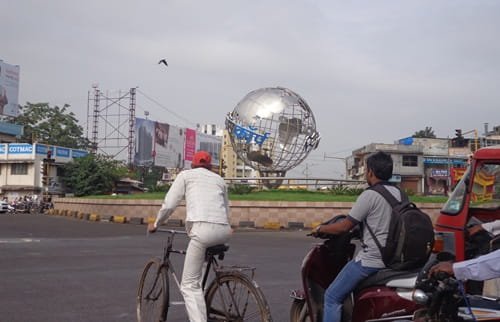
Shanipar Chowk is one of the most historic, culturally rich, and centrally located intersections in Pune, Maharashtra. Situated in the old city (Peth area), this chowk is not just a traffic junction but a heritage landmark deeply connected to Pune’s Maratha-era history. Known for the famous Shaniwar Wada nearby and traditional markets, Shanipar Chowk represents the soul of Pune’s old city life.
In 2026, Shanipar Chowk continues to remain a vibrant urban node, surrounded by heritage structures, bustling markets, temples, and constant pedestrian movement. With strong connectivity to major parts of Pune and deep cultural roots, the chowk is far more than a junction — it is a living reflection of Pune’s history, tradition, and evolving urban character.
Shanipar Chowk Pune Quick Details
| Category | Details |
| Location | Shanipar Chowk, Shaniwar Peth, Pune, Maharashtra – 411030 |
| Also Known As | Shanipar; Shaniwar Peth Chowk |
| Nearest City | Pune City Centre (within 2 km) |
| Highway | Connected via city arterial roads |
| Key Roads | Bajirao Road, Laxmi Road, Tilak Road |
| Nearest Railway Stn | Pune Junction (~4 km) |
| Nearest Metro | Mandai / PMC Metro (nearby corridors) |
| Nearest Airport | Pune International Airport (~12 km) |
| Bus Connectivity | PMPML buses, autos, e-rickshaws |
| Iconic Landmark | Shaniwar Wada (nearby) |
| Importance | Heritage, commercial & cultural hub |
| Nearby Areas | Shaniwar Peth, Sadashiv Peth, Budhwar Peth |
| Pin Code | 411030 |
| Admin Body | Pune Municipal Corporation (PMC) |
| Development Status | Heritage urban zone |
| Redevelopment Status | Heritage conservation & traffic upgrades ongoing |
1. Location & Identity of Shanipar Chowk
Shanipar Chowk is located in Shaniwar Peth, one of the oldest and most historically significant areas of Pune. Positioned near Bajirao Road and close to Shaniwar Wada, it lies at the heart of Pune’s traditional city layout.
Pune, once the capital of the Maratha Empire, has a strong historical core in its Peth areas, and Shanipar Chowk sits right within this heritage zone. The chowk acts as a connecting point between major markets, temples, and residential areas that date back centuries.
The identity of Shanipar Chowk is shaped by:
- Its proximity to Shaniwar Wada, the seat of Peshwa power
- Its location in Pune’s historic Peth area
- Its role as a traditional marketplace and community hub
It is often described as:
👉 The heart of old Pune
👉 A heritage junction of the Peshwa era
The area is surrounded by:
- Historic wadas (traditional houses)
- Temples and religious sites
- Traditional markets and narrow lanes
Administered by: Pune Municipal Corporation (PMC), with additional focus on heritage conservation.
2. Connectivity & Transport Infrastructure
Shanipar Chowk is well-connected within Pune, especially to central city areas.
1. Road Connectivity
Bajirao Road:
A major arterial road connecting several Peth areas.
Laxmi Road:
One of Pune’s busiest shopping streets, located nearby.
Tilak Road:
Connects the chowk to Deccan and other parts of the city.
2. Rail & Metro Connectivity
Pune Railway Station:
Approximately 4 km away, offering national connectivity.
Metro Access:
Nearby metro corridors (PMC, Mandai) are improving connectivity in central Pune.
3. Public Transport & Movement
- PMPML buses operate frequently
- Autos and e-rickshaws are widely used
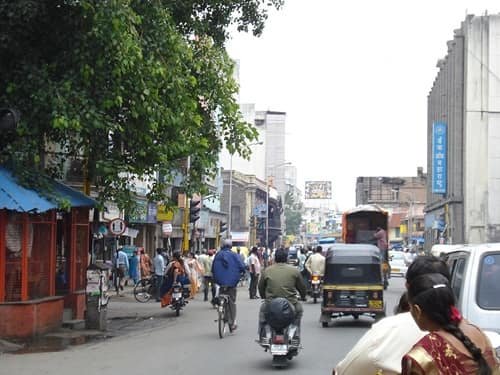
- Heavy pedestrian movement dominates
The chowk experiences constant activity due to:
👉 Shoppers and traders
👉 Residents of Peth areas
👉 Tourists visiting heritage sites
3. Historical Background & Cultural Significance
Shanipar Chowk is deeply rooted in Pune’s Maratha and Peshwa history, making it one of the most historically rich areas in the city.
Origins in the Peshwa Era
The area around Shanipar Chowk developed during the 18th century under the Peshwas, who made Pune the capital of the Maratha Empire. The Peth system (neighborhood divisions) was created for organized urban planning, and Shaniwar Peth became one of the key residential and administrative zones.
The nearby Shaniwar Wada, built in 1732 by Peshwa Bajirao I, became the center of political power, and surrounding areas like Shanipar Chowk evolved as important residential and market spaces for officials, traders, and common citizens.
Role in Traditional Pune Life
- The chowk served as a local meeting point and marketplace
- It connected different Peth areas through narrow streets
- It became a center for social, cultural, and economic activity
Colonial and Post-Independence Transition
During British rule, Pune expanded beyond the Peth areas, but Shanipar Chowk retained its importance as a traditional urban node.
After independence:
- The area remained a key commercial zone
- Traditional markets continued to thrive
- Heritage structures coexisted with modern development
Cultural Identity
Shanipar Chowk represents:
- Pune’s Maratha heritage and Peshwa legacy
- Traditional Maharashtrian lifestyle
- A blend of history and everyday urban life
Festivals like Ganesh Chaturthi are celebrated with great enthusiasm in this area, reflecting strong community bonds.
4. Commercial & Market Activity
Shanipar Chowk is surrounded by one of Pune’s busiest traditional market zones.
Key Commercial Zones
- Laxmi Road – major shopping hub
- Bajirao Road markets
- Local street markets and shops
What You’ll Find
- Traditional clothing and jewelry shops
- Household goods and local products
- Street vendors and small businesses
Food & Lifestyle
The area is known for its classic Pune food culture:
- Misal pav, vada pav, and snacks
- Traditional Maharashtrian sweets
- Small eateries and local cafes
The chowk attracts:
👉 Shoppers and families
👉 Tourists exploring heritage
👉 Daily commuters
5. Real Estate & Commercial Importance (2026)
Shanipar Chowk is part of a heritage commercial zone.
Current Trends
- High demand for retail shops
- Limited new residential development
- Stable property values
Investment Perspective
- Central location ensures consistent footfall
- Heritage value adds uniqueness
- Ideal for traditional businesses
It is ideal for:
👉 Shop owners and traders
👉 Small business operators
👉 Heritage-based commercial ventures
6. Social Infrastructure & Daily Life
The area supports a vibrant traditional lifestyle.
1. Education
- Schools and colleges nearby
- Coaching institutes in central Pune
2. Healthcare
- Clinics and hospitals within reach
- Medical services easily accessible
3. Shopping & Lifestyle
- Traditional markets and shops
- Street food and cultural experiences
- Easy access to daily essentials
7. Modern Redevelopment & Heritage Preservation
Pune is focusing on preserving its historic core while improving infrastructure.
Key Improvements
- Heritage conservation projects
- Traffic management systems
- Pedestrian-friendly initiatives
Impact
- Better preservation of history
- Improved tourist experience
- Sustained commercial activity
This development balances:
👉 Rich historical legacy + modern urban needs
Conclusion
Shanipar Chowk in Pune is far more than just a traffic junction — it is a living piece of the city’s history.
In 2026, the chowk stands as a vibrant heritage hub, supported by strong connectivity, traditional markets, and deep cultural significance. Its proximity to Shaniwar Wada and its role in Pune’s historic Peth system make it one of the most important landmarks in the city.
Whether you are exploring history, shopping in traditional markets, or experiencing Pune’s culture, Shanipar Chowk offers a timeless glimpse into the city’s past and present.